I still remember the night my husband and I sat at the kitchen table, staring at a bank balance that made no sense. We both worked. We budgeted, sort of. And yet every month felt like walking a tightrope with no net.
That was the night I stopped looking for a better budget app and started looking for books about escaping poverty. Not get-rich-quick stuff. Real books. The kind that make you put the book down and just sit there for a minute.
If you are reading this, maybe you know that feeling. You are not lazy. You are not stupid with money. So why does it never seem to add up?
What Do Books About Escaping Poverty Teach That Budgets Don’t?
Here is what I learned the hard way. A budget tells you where your money went. It says nothing about why you sent it there.
Most of us inherit a money script from our parents. Mine went something like: money is scarce, so hold tight and don’t dream too big. My mother never said those words out loud. She didn’t have to. I watched her fold coupons for an hour before grocery shopping. I saw her return things she clearly loved.
So when I first picked up a personal finance book, I expected math. What I got was a mirror.
That is the strange gift of these books. The good ones don’t just hand you a spreadsheet. They ask uncomfortable questions. Why do you buy things you don’t need? What did your family believe about rich people? Do you actually want wealth, or do you just want to stop feeling afraid?
Which Books Actually Helped Me?
I read three that stayed with me. Each one gave me something different.
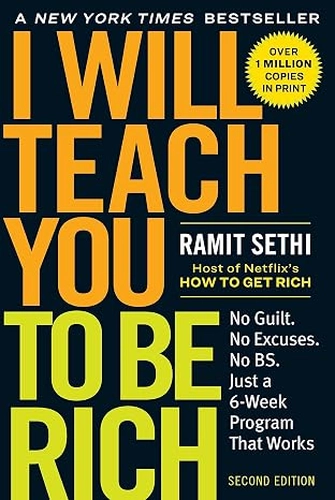
I Will Teach You to Be Rich
By Ramit Sethi
I almost didn’t buy it because the title sounded arrogant. But a friend kept quoting it, so I gave in.
What this book gives you:
- A six-week program. Crush your debt. Set up no-fee, high-interest accounts. Automate your finances.
- Scripts. Actual word-for-word sentences for calling your bank and asking them to drop a late fee. I tried it. I felt ridiculous. It worked.
- A core lesson. Money systems beat willpower. Every time.
Best for: Anyone who wants a practical, step-by-step plan without the guilt.
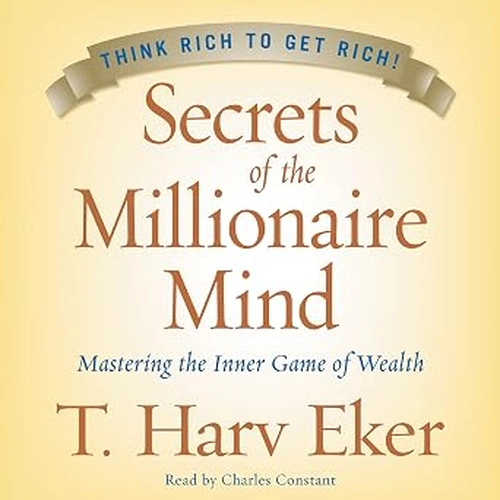
Secrets of the Millionaire Mind
By T. Harv Eker
I listened to the audiobook during school pickup, which probably explains why I once missed my exit.
What this book gives you:
- The idea of a money blueprint. Your childhood shapes it. Your blueprint decides whether you grow wealth or lose it, no matter how much you earn.
- Seventeen Wealth Files. Little mindset shifts with action steps.
- One example. Rich people think big, poor people think small. Simple? Yes. Easy to live out? Not even close.
Best for: Anyone who has tried budgeting but still feels stuck in the same patterns.
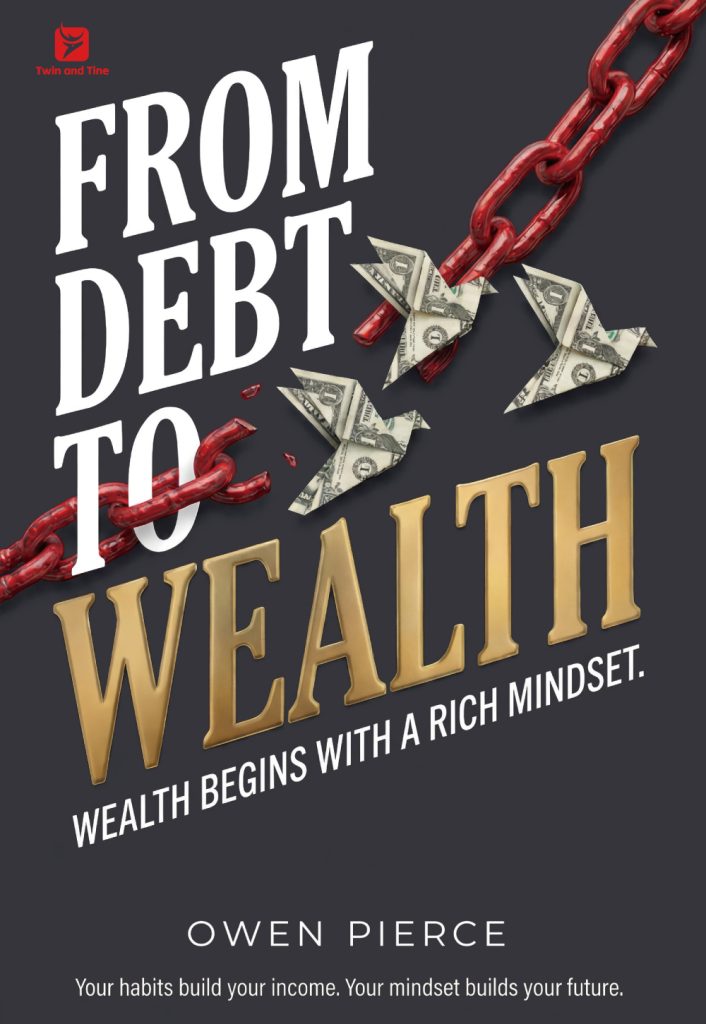
From Debt to Wealth
By Owen Pierce
This one arrived at the right moment. We were paying down old credit card debt and it felt like walking up a down escalator.
What this book gives you:
- A practical path to escaping the paycheck-to-paycheck cycle
- How to kill bad debt without feeling deprived
- Why relying on one income stream leaves you fragile
- How to turn income into habits and assets
- A case for patience. As someone who thought I had run out of patience, that mattered.
Best for: Anyone in debt right now who needs a clear plan and a reason to believe it can change.
How Do You Read These Books Without Getting Overwhelmed?
This is the question nobody asks, and it matters. I made the mistake of reading three money books in one month. By week three I felt paralyzed. Too many systems. Too many checklists.
So here is what I would tell a friend now.
| Step | What to do |
|---|---|
| 1 | Read one book. Just one. |
| 2 | Give it six weeks. |
| 3 | Pick one action from each chapter and actually do it. |
| 4 | Open the account. Make the call. Write the number down. |
| 5 | Talk to someone about what you’re reading. |
Money silence is how poverty thinking survives. It hides in the unspoken.
What About the People Watching You?
Here is the part that sneaks up on you. The people around you are watching. Not your budget spreadsheet, exactly. More like your face when the bills arrive.
Someone once asked me why I check the banking app “with a worried face.” I had no idea they noticed. Now we talk about money in small, plain ways. Where it comes from. Where it goes. Why we say no to some things.
They don’t need compound interest yet. They need to see that money is a tool, not a monster.
One Last Thing
I still sit at that same kitchen table sometimes. The numbers are better now, though not perfect. Life rarely cooperates that way.
But the fear has loosened its grip. That is what these books really gave me. Not a formula. A different voice in my head when I look at what we have and what we owe.
If you are standing where I stood, start with one book. One honest look at your money story. The rest tends to follow.
References:
Sethi, Ramit. I Will Teach You to Be Rich. Second Edition, Workman Publishing.
Eker, T. Harv. Secrets of the Millionaire Mind. Harper Business.
Pierce, Owen. From Debt to Wealth.