You read The Simple Path to Wealth. You loved it. No jargon. No hype. Just straight talk about index funds, compounding, and staying the course. Collins made investing feel simple.
But maybe you finished it and thought: “I know what to do with my money once I have it. But I don’t have it yet.”
That is where these three books come in. They share Collins’ clarity and directness, but they cover the ground before investing — the habits, the mindset, and the practical systems that help you build the capital you need to invest in the first place.
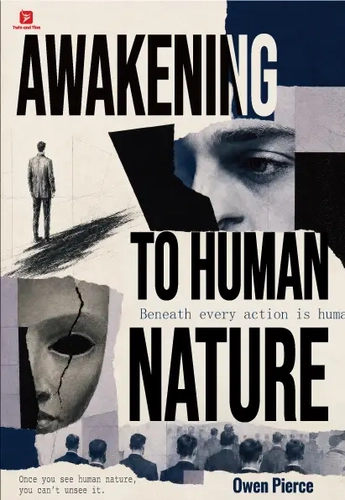
From Debt to Wealth by Owen Pierce
Collins tells you where to put your money. Pierce tells you why you haven’t put it there yet.
If you followed Collins’ advice and still feel stuck, the problem is not your investment strategy. It is your relationship with money itself. Pierce argues that most people are trapped in a cycle: work harder, get a raise, spend more, feel like nothing changed. The issue is not effort. It is cognition.
Pierce shows you the hidden patterns that keep people from building wealth. The belief that a salary equals security. The habit of rewarding every paycheck with spending. The confusion between assets and liabilities. He does not ask you to budget harder. He asks you to think differently about what money is for.
Where Collins gives you the destination, Pierce gives you the road. He shows you how to stop living paycheck to paycheck, how to save $10k in 90 days, and how to use debt as a tool instead of a trap. It is direct, honest, and built for people who are tired of running in place.
If Collins gave you a map to financial independence, Pierce helps you actually start walking.
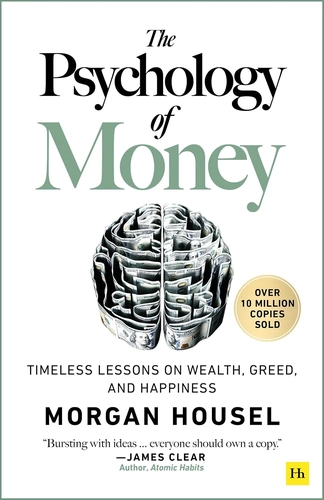
The Psychology of Money by Morgan Housel
Collins teaches you the mechanics. Housel teaches you the behavior.
Collins gives you the rules. Housel gives you the reason the rules are so hard to follow. His book is built on one insight: doing well with money has very little to do with how smart you are and everything to do with how you behave.
Housel explains why we make emotional decisions with money, why we compare ourselves to others, why patience is harder than it sounds. He does not offer a budget or a system. He offers a perspective shift. And once you see money the way he sees it, Collins’ advice becomes easier to follow.
If you know what to do but keep doing the opposite, this book tells you why.
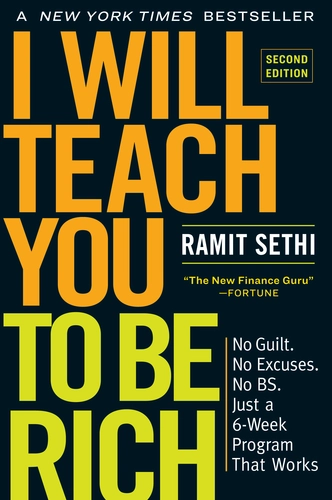
I Will Teach You to Be Rich by Ramit Sethi
Collins gives you a long-term philosophy. Sethi gives you a six-week plan.
Collins writes for people who want to set and forget. Sethi writes for people who need a system this week. His approach is practical, guilt-free, and designed for people who do not want to track every coffee purchase.
He gives you a six-week program: automate your savings, negotiate your salary, invest in low-cost funds, and stop worrying about the small stuff. It is Collins’ philosophy, but with a timeline and a checklist. If you need to get moving now, this is the book.
If Collins gave you the why and what, Sethi gives you the how and when.
Which book should you start with?
If you finished Collins and realized you do not have the savings to invest yet, start with Pierce. He gives you the cognitive shift you need to build the foundation.
If you have the money but keep making emotional decisions with it, read Housel.
If you need a concrete, guilt‑free system to get started this month, read Sethi.