I still remember the night I sat at the kitchen table with a calculator and a stack of bills. I was adding numbers for the third time, hoping they would come out different. They did not.
That was the year I started reading. Not one book. A pile of them. I wanted to know why some people seem to breathe easy while others, earning similar money, are always one emergency away from panic.
Here is what I learned. The best personal finance books do not hand you a formula. They hand you a different pair of eyes. You start seeing the same paycheck differently. You start noticing where money leaks, and more importantly, why you let it.
What Do the Best Personal Finance Books Actually Change in Your Head?
Most of us were taught to earn. Nobody taught us to hold.
My mother used to say, “Money comes from earning, not from saving.” She believed it fully. She worked three jobs in her forties. She also had nothing saved at fifty-five.
Was she wrong? Partly. Earning matters. But earning without a system is like pouring water into a bucket with a crack in the bottom. You keep filling. It keeps emptying.
The books that changed things for me were the ones that addressed the crack. Not the bucket. The crack.
Which Book Should You Read First if You Are Drowning in Debt?
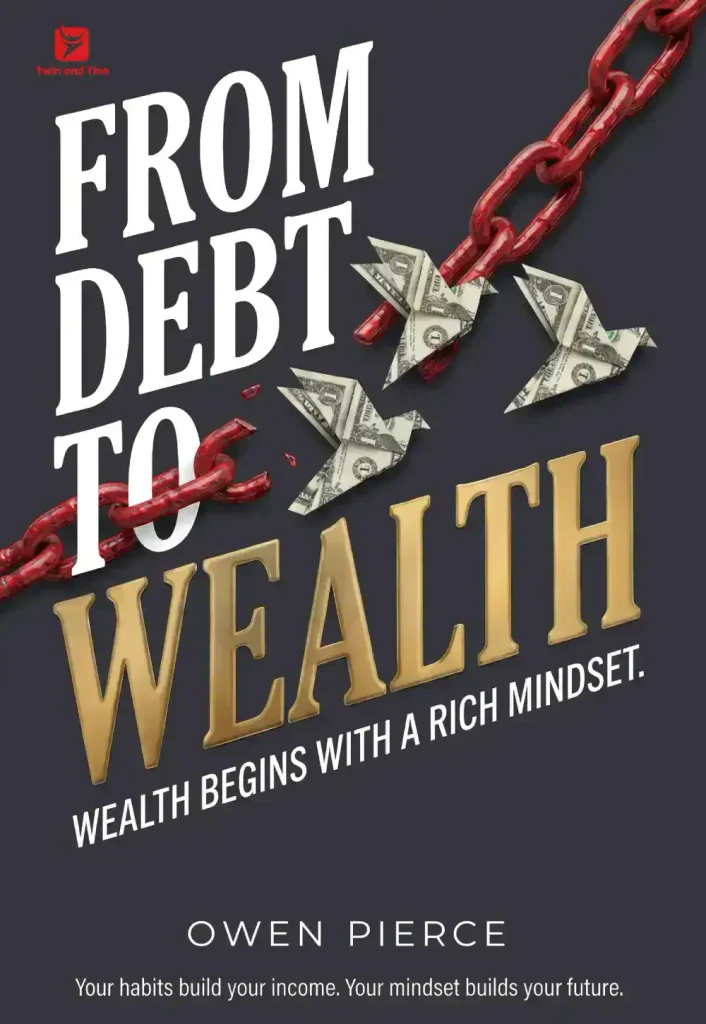
From Debt to Wealth by Owen Pierce.
I picked it up during a month when our credit card balance scared me. The subtitle caught me. When money is tight, learning how to grow it matters even more.
What this book gives you:
- A practical path to escaping the paycheck-to-paycheck cycle
- How to kill bad debt without feeling deprived
- How to build savings that actually stick
- A mindset shift. Wealth is not compensation for hours worked. It is compensation for how you think.
One line that stuck with me: “Wealth is compensation for cognition.” I read that sentence four times. I had been working hard for years. My thinking, honestly, had not moved an inch.
Best for: Anyone in debt right now who needs a clear, practical plan.
What If You Are Out of Debt But Feel Stuck?
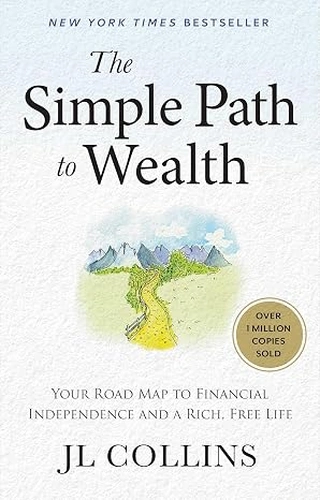
The Simple Path to Wealth by J L Collins.
This book began as letters from a father to his daughter. That origin matters. The tone is patient. Direct. Sometimes blunt in a way that made me laugh out loud.
What this book gives you:
- One straightforward approach to asset allocation that anyone can implement
- Why simplicity beats complexity in investing
- Why most people lose money by trying to be clever
- A plan you can actually follow without a finance degree
The core idea: Simplicity beats complexity. Collins spent fifty years investing. His conclusion is that most people lose money by trying to time the market, pick hot stocks, or pay someone else to do it for them.
Best for: Anyone who wants a steady, simple plan and is tired of guessing.
What Is All This Building For?
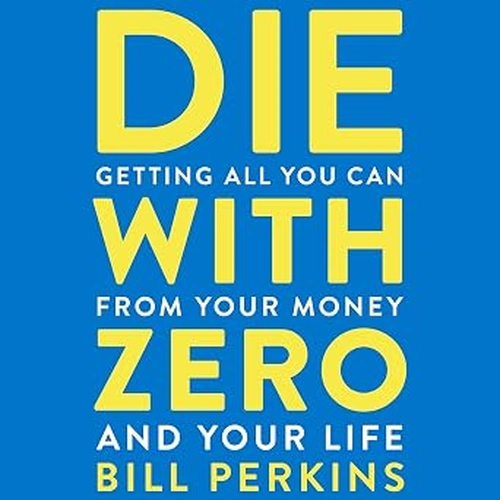
Die With Zero by Bill Perkins.
This one unsettled me. In a good way.
What this book gives you:
- A challenge to the idea that over-saving is always wise
- The concept of “experience bucketing.” What experiences do you want, and by when?
- A reminder that money is a tool for living, not a scoreboard
- Permission to spend on what matters before it is too late
The argument: Perkins says over-saving is its own kind of waste. You work. You save. You plan for a retirement you may not have the health to enjoy. Meanwhile, life happens. Your knees give out. The trip you kept postponing becomes a photo you look at on someone else’s feed.
One conversation this book started: I asked my husband, “If we had one free month next year, what would we do?” He said, “Take the kids to see the ocean.” We live four hours from the coast. We have never taken them. That conversation cost nothing. It changed something.
Best for: Anyone who has saved well but forgotten why.
The Three-Book Shelf: A Simple Framework
I ended up with a small ritual. Three books. Three questions.
| Book | Question it answers |
|---|---|
| From Debt to Wealth | How do I stop the bleeding? |
| The Simple Path to Wealth | How do I build steadily without overthinking? |
| Die With Zero | What is all this building for? |
I call it the three-question shelf. It sounds grander than it is. Really, it is just three paperbacks in a row. But when I feel lost about money, I look at them and ask which question I am actually sitting with.
Most of the time, I am sitting with the third one. The first two are mechanics. The third one is meaning.
Does Age Change Which Book Helps Most?
| Decade | What I needed |
|---|---|
| Twenties | The debt book. I did not know it yet. |
| Thirties | The investing book. I was tired of guessing. |
| Forties | The zero book. I need to remember money is a tool for living, not a scoreboard. |
What if you only have time for one?
Read the one that matches your fear.
Afraid of debt? Pierce.
Afraid of doing it wrong? Collins.
Afraid of missing your life? Perkins.
Your fear will tell you where to start. Mine did.
One Last Thing
That night at the kitchen table, I was not really adding numbers. I was asking whether we would be okay. The books did not answer that. They gave me something better. A way to keep asking, and a reason to believe the answer could change.
References
Collins, J L. The Simple Path to Wealth: Your Road Map to Financial Independence and a Rich, Free Life. Revised and Expanded Edition.
Perkins, Bill. Die With Zero: Getting All You Can from Your Money and Your Life. Mariner Books.
Pierce, Owen. From Debt to Wealth: When Money Is Tight, Learning How to Grow It Matters Even More.