A huge part of my work involves reading body language. I rarely call someone a liar to their face. But I have said things like, that did not seem genuine, or, can you give me more clarity? I think I missed some details.
We have all been lied to. Maybe we have even told a lie or two ourselves. But some people lie for a living. Their personality cannot survive without it. So how do you tell if someone is lying to you? You watch the body, the timing, and the follow-through.
Quick Answer: How do I tell if someone is lying?
You watch for patterns, not single signs. Look for changes from their baseline, the timing of their answers, and whether their words match their follow-through. One signal means nothing. A cluster tells a story.

Why Do Some People Lie So Easily?
Most of us lie to escape a moment. We panic, we soften a truth, we move on. That kind of lie leaves a trace. A flushed face. A rushed sentence. An apology two hours later.
The other kind of liar is different. Lying is not a slip for them. It is a way of breathing. Their whole identity is built on a story they keep retelling. Your doubt threatens that story. That is why they do not just lie. They perform.
I learned this with a former colleague. She would cry in meetings about a family crisis every time a deadline slipped. Then one day I saw her laughing at lunch, completely relaxed, twenty minutes after telling our manager her grandmother was in the hospital. Her grandmother had died years before.
Once you notice the pattern, you cannot unsee it.
10 Signs Someone May Be Lying
1. They look away or to the side when asked a hard question. A brief glance away while thinking is normal. A consistent slide to the side every time is not.
2. Their eyebrows and eyes move fast. Brows jump or scrunch. Eyelids blink a lot. Eye contact breaks and comes back too quickly.
3. They volunteer random, irrelevant detail. You ask where they were at 8pm. They tell you about traffic, a phone call, and the gas station attendant’s name. Detail is a costume.
4. They laugh before answering. Sometimes it is nerves. Sometimes the laugh is a curtain drawn across the truth while they build the next sentence.
5. Constant fidgeting. Watch the hands and the feet. Stillness costs them something.
6. They disappear. A question they do not want to answer arrives. Suddenly they are unreachable for three days.
7. They deflect. You asked about the money. Now you are discussing your tone.
8. They take the full victim position. I do not know anything. I do not know how it started. I do not know why I was involved. Complete unawareness of everything is its own confession.
9. They announce how honest they are. The loudest claims of being the realest person you will ever meet usually sit on top of the biggest pile of secrets.
10. Very little follow-through. Promises pile up. Actions stay small. This one is quiet, and it is the most reliable of all.
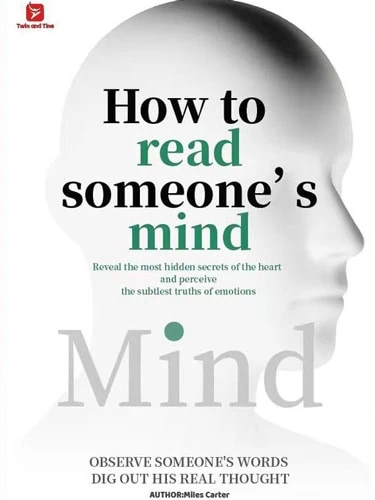
If you want to go deeper on reading people without jumping to conclusions, How to Read Someone’s Mind by Miles Carter is a practical guide to body language, tone, and the small patterns that reveal what people are actually thinking. It is the kind of book you keep nearby.
How Do You Respond When You Suspect Someone Is Lying?
Do not accuse. Accusation gives a practiced liar a stage and a script. Instead, slow everything down and ask for specifics.
I use two lines, almost word for word.
That did not seem genuine to me. Can we go back to the part about Tuesday?
And when the story wobbles.
Can you give me a little more clarity? I think I missed some major details.
Then I go quiet. Silence is a terrible place for a lie to live. A truthful person fills it with the same story, maybe messier. A practiced liar fills it with more detail, smoother words, and often a small laugh.
Try this with a coworker, a friend who cancels every plan, anyone. Say the line, then wait ten full seconds. Most of us rush to rescue the other person from the silence. Do not. The silence is doing the work.
The Quiet Test: What Happens After You Stop Asking?
Here is a test that has never failed me. Stop asking questions for two weeks. Say nothing about the suspicion. Simply watch what the person does when there is no spotlight.
A person telling the truth will keep living their life normally. A person living inside a lie will either escalate, inventing new drama to hold your attention, or vanish completely. Both answers tell you everything.
FAQ
Can you really tell if someone is lying by their body language?
Not with certainty. Body language shows stress, discomfort, or changes from a baseline. It is not a lie detector. Patterns over time matter more than any single gesture.
What is the most reliable sign someone is lying?
Follow-through. Or the lack of it. Promises that pile up while actions stay small tell you more than any eye movement.
Should I confront someone I think is lying?
Not directly. Accusation gives a practiced liar a stage. Instead, slow down, ask for specifics, and go quiet. Let the silence do the work.
What if they get angry when I ask for clarity?
That can be a sign. A truthful person usually answers the same question again, maybe messier. A practiced liar often escalates or deflects.
How long should I wait before deciding?
Give it two weeks. Stop asking. Watch what they do when there is no spotlight. Their behavior will tell you what their words will not.
A Closing Thought
I still remember sitting at that lunch table years ago, watching her laugh. I felt foolish for believing her for so long. Then I felt something else. A kind of calm. I could not control what she told me. I could only control what I chose to trust after that.
That calm is available to you too. You do not need to prove anything to anyone. You just need to pay attention, and then believe what you see.
References
- Ekman, P. Telling Lies: Clues to Deceit in the Marketplace, Politics, and Marriage. W. W. Norton & Company.
- Navarro, J. What Every BODY Is Saying. HarperCollins.
- Carter, Miles. How to Read Someone’s Mind.