I remember the first time I realized I could read someone without them saying a word. I was at a family gathering. My uncle was smiling, laughing, telling jokes. But something felt off. His eyes didn’t match his mouth. His shoulders were tight. He kept glancing at the door.
Later I found out he’d just lost his job. He wasn’t ready to tell anyone yet. But his body told me the truth.
That moment changed how I see people. Words can lie. Bodies rarely do.
Quick Answer: How can I read others better?
You can read others better by paying attention to body language, tone of voice, and patterns of behavior. Also, listen more than you talk and stay curious about people’s stories.

Where the Ability Comes From
For some people, reading others is a natural gift. For others, it’s a survival skill.
Many people develop this ability because they had to. Growing up in a tense household. Living with someone unpredictable. Needing to sense danger before it arrived. It’s called hypervigilance. It’s exhausting. But it’s also a superpower.
My friend Sarah once told me: “I can tell what someone’s feeling just by how they walk into a room.” She grew up with a parent who was emotionally unstable. She learned to read the room to stay safe. Now she can’t turn it off.
Whether you’re a natural or a survivor, reading others is a skill you can sharpen.
How to Read Others Better
Pay attention to the whole picture. Don’t just listen to words. Watch the face. The posture. The hands. The eyes. A person might say “I’m fine” while their shoulders are up by their ears. Trust the shoulders.
Look for patterns. One gesture doesn’t mean much. A pattern of gestures tells a story. Notice how someone behaves over time.
Listen to tone of voice. Words carry meaning. But tone carries emotion. A flat voice. A tight voice. A voice that speeds up when nervous. Listen for the music behind the words.
Don’t assume. Curiosity is more useful than certainty. Instead of deciding what someone is feeling, ask questions. “You seem a little off today. Everything okay?”
Trust your gut. Your subconscious picks up on things your conscious mind misses. If something feels wrong, it probably is.
When Reading Others Becomes a Problem
Sometimes the ability to read people can be exhausting. You pick up on things you don’t want to know. You sense tension that others miss. You feel responsible for managing everyone’s emotions.
My friend Mark once told me: “I can tell when someone doesn’t like me, even if they’re being polite. It’s draining.” He wasn’t wrong. It’s a heavy burden.
If you’re someone who feels everything, you need boundaries. Not everyone’s emotion is yours to carry.
A Book That Helped Me
If you want to go deeper into reading people, I recommend Miles Carter’s How to Read Someone’s Mind. It offers simple frameworks for noticing body language, micro-expressions, and tone shifts that most people overlook. It’s not about reading minds. It’s about seeing what’s already there.
What You Gain
When you learn to read others better, you connect more deeply. You avoid misunderstandings. You build trust. You know when someone needs support and when they need space.
You also protect yourself. You recognize when someone isn’t being honest. You notice red flags early. You learn who to trust and who to keep at a distance.
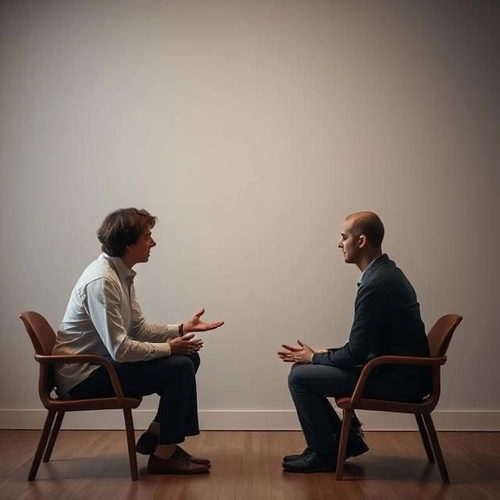
FAQ: How to Read Others Better
Q: Can anyone learn to read people?
A: Yes. Some people are naturally better at it, but anyone can improve with practice.
Q: What’s the most important thing to look for?
A: Inconsistency. When words don’t match body language, trust the body.
Q: How do I know if I’m overthinking it?
A: If you’re constantly analyzing instead of connecting, you’re probably overthinking. Try to stay present in the conversation.
Q: Can reading people be used in a negative way?
A: Yes. Any skill can be misused. The goal is understanding, not manipulation.
One Last Thing
I still think about that family gathering sometimes. My uncle’s smile. His tight shoulders. His eyes that wouldn’t meet mine. I didn’t say anything that day. I just gave him a hug and said I was glad to see him.
That’s what reading people is really about. Not catching people. Not figuring them out. Just showing up with kindness and noticing what they need.
You don’t have to be perfect at it. You just have to stay curious. The rest will follow.