Before having kids, money decisions were mostly about your own life. After kids, every financial choice feels connected to someone else.
The question changes from “How do I build the life I want?” to “What kind of financial example am I setting for my children?”
Suddenly money is not just about you. It becomes about college funds, emergencies, retirement, providing opportunities, and teaching your kids values.
But many parents focus on earning more without questioning the money beliefs they are passing down. They want to give their children a better life, but they rarely examine the financial habits and assumptions they inherited themselves.
The books below help you build wealth, make better decisions, and teach your children a healthier relationship with money.
From Debt to Wealth by Owen Pierce
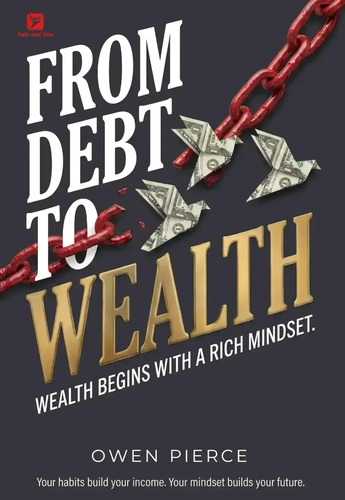
Change the way you think about providing for your family
Most parents are not trying to overspend. They are trying to give their children opportunities they never had. It comes from love, not carelessness.
But providing more is not always the same as building more security.
Pierce challenges the cycle many families fall into: earn more, spend more, feel more pressure, work harder. He argues that the most important thing parents can give their children is not more things. It is a better understanding of how money actually works.
The book helps parents examine their own money beliefs. What are you modeling for your children? Are you building long-term security or just maintaining a lifestyle? What habits are you passing down without realizing it?
Your children do not only inherit your money. They inherit your relationship with money. They learn how to handle finances by watching you. This book helps you break patterns that keep families financially stuck.
What you will learn:
- Why earning more is not the same as building wealth
- How to examine the money beliefs you are passing down
- How to build financial security that lasts beyond your lifetime
- The difference between providing things and creating stability
Who should read this:
Parents who want to change their family’s financial future.
The Opposite of Spoiled by Ron Lieber
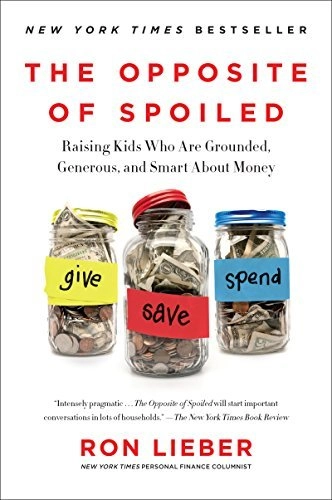
Teach your children what money really means
Many parents avoid talking to their kids about money. They worry it will make them materialistic, anxious, or entitled. They assume children should not have to think about money.
Lieber argues that this is a mistake. Children who grow up without conversations about money may have fewer opportunities to develop healthy financial habits. The goal is not to burden them with adult worries. It is to teach them the values behind money: saving, spending, giving, and understanding value.
He offers practical ways to talk to children about money at every age. How to handle allowance. How to teach them to save for something they want. How to talk about family finances without causing anxiety.
This book helps you raise children who are financially literate—not because you taught them about stocks, but because you taught them what money is actually for.
What you will learn:
- How to talk to kids about money without making them anxious
- Why allowance teaches more about money than school ever does
- How to help children distinguish between needs and wants
- How to raise financially responsible children
Who should read this:
Parents who want to raise children with a healthy relationship with money.
Smart Money Smart Kids by Dave Ramsey and Rachel Cruze
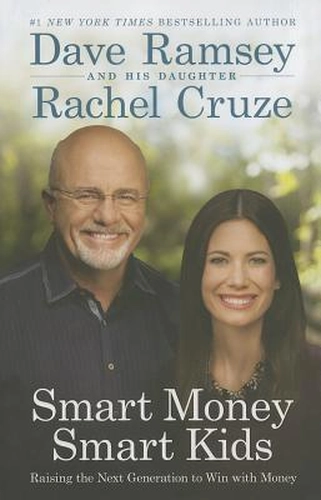
Build healthy money habits as a family
Many parents want their children to grow up with better financial habits than they had. But they are not sure how to teach those habits in a way that actually sticks.
Ramsey and Cruze offer a practical framework for raising financially responsible children. They cover everything from allowance and chores to teaching kids to save, spend, and give with intention. Their approach is rooted in the idea that financial education is not a single conversation. It is an ongoing practice embedded in daily family life.
The book addresses common parent concerns: How do I say no without feeling guilty? How do I teach my child to earn money? How do I help them understand the value of hard work? It gives parents a clear path forward, not just theory.
What you will learn:
- How to teach kids to earn, save, and give intentionally
- How to say no to your children without guilt
- How to help children understand the value of money and work
- Practical family systems for building financial habits
Who should read this:
Parents who want to turn financial education into everyday family practice.
What these books teach you together
These three books focus on different aspects of family finances.
The first book helps you examine your own money beliefs and change the patterns you are passing down.
The second book gives you practical tools for teaching your children about money in a way that builds values, not anxiety.
The third book turns financial education into daily family practice.
Building a better financial future for your children does not start with teaching them about money. It starts with examining the money lessons they are already learning from you.
FAQ
How do I talk to my kids about money without making them anxious?
Focus on values rather than numbers. Talk about choices. Talk about saving for things that matter. Avoid framing conversations around stress or scarcity.
What is the most important money lesson I can teach my child?
That money is a tool, not a goal. Children who understand the purpose of money are more likely to make thoughtful financial decisions as adults.
Should I give my child an allowance?
Yes, but with structure. Allowance can teach saving, spending, and giving. The lesson is in the practice.
How do I stop feeling behind financially as a parent?
Start by separating “providing” from “overproviding.” Many parents feel behind because they compare their lifestyle to others. Financial security is about meeting your family’s actual needs, not keeping up with everyone else.