Control your emotions without being a saint. Without clenching your jaw shut. What actually works: see the real trigger, create a pause, choose a different response. I didn’t know this in my twenties. Everything set me on fire. Paid the price. Now I’m sharing it with anyone tired of losing their mind over small stuff.
I’ve been around — annoying coworkers, reckless drivers, endless little fights at home — and finally learned one thing: you don’t explode because of what just happened. You explode because you were already full.
Most people think self-control means gritting your teeth. But here’s what they miss: the only reactions you can truly control come from seeing the real problem — not being crushed by the last straw. These three methods aren’t complicated. They’ll save you from most of your blowups.
Method 1: Find the real problem, stop using small stuff as a punching bag
In my twenties, I’d explode over nothing. Spilled coffee? Day ruined. Slow Wi-Fi? Wanted to smash my laptop. Then one time I got into a huge fight with my family over a lost remote. Afterward I just sat there: was I really mad about the remote?
No. I was mad about getting chewed out by my boss, stuck in traffic for forty minutes, and skipping lunch. The remote was just the last straw.
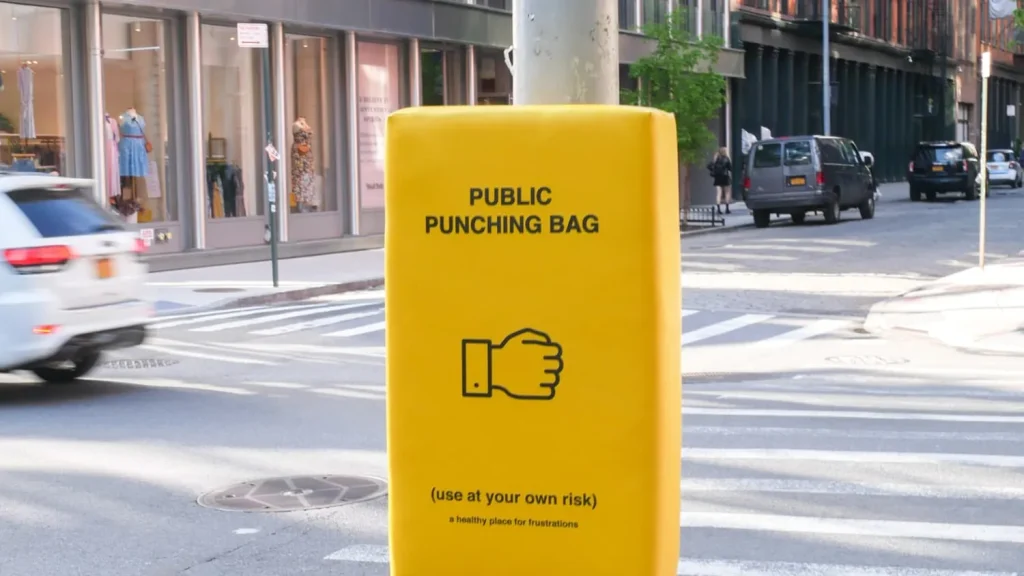
The clearest sign of maturity is knowing: what you’re angry about right now — is it this, or everything before it?
Next time you’re about to lose it, ask yourself: if today had gone perfectly, would this still bother me? If the answer is probably not — then you don’t have a small-problem problem. You have a backlog of big problems. Handle those first. The small stuff stops exploding.
Method 2: Take six seconds, don’t let your emotion go first
A friend of mine has a short fuse. One time he fired off a post complaining about a coworker. The next day the whole office knew. He regretted it instantly. Then he learned one trick: before you react, wait six seconds.
No timer needed. Just two deep breaths. First breath — notice you want to explode. Second breath — choose not to move yet.

Don’t underestimate six seconds. Emotional spikes usually last only a few seconds. Give your brain a pause, and it switches from raw reaction to thoughtful response. Same message. Six seconds before: “Are you insane?” Six seconds later: “Let’s talk this through.” Completely different outcome.
Good judgment isn’t something you’re born with. It’s what you choose to do in those six seconds.
Method 3: Say how you actually feel, don’t just throw anger
Half the time we lose it because we don’t even know what’s wrong. Lost the remote — are you really mad at the remote? No. You’re mad because “why do I have to find everything in this house?” Spilled coffee — are you really mad at the coffee? No. You’re mad because “nothing is going right today.”
Try this: replace “ugh” with something specific. Don’t say “I’m so pissed.” Say: “I feel like nothing is going my way today.” Or: “It feels like no one respects my time.” Or: “I’m exhausted. I’ve got no patience left.”

Psychologists call this “affect labeling.” Once you turn vague emotion into concrete words, its power drops. Because thinking and reacting use different parts of your brain. The moment you name it, it stops owning you.
You don’t need a complicated system for emotional control. Just these three things: see the real problem, wait six seconds, name what you actually feel.
People who live lightly aren’t the ones without a temper. They’re the ones who know: some things just aren’t worth the explosion.