I still remember the meeting where I said I’m fine with the plan while my arms stayed crossed and my jaw stayed tight. Nobody believed me. A colleague waited until everyone left, then asked, are you actually okay? I had said nothing wrong. My body had said everything.
That moment pushed me into a rabbit hole I have not climbed out of since. I started watching people. Not in a creepy way, more like a curious hobby. A cashier’s shoulders tell me her day before she speaks. A friend’s foot taps out his impatience three minutes before he admits it. How body language affects communication stopped being a theory for me. It became something I notice every single day.
This piece is for anyone who has ever felt misunderstood. People who say the right words and watch them land wrong. Let’s dig into why.
Quick Answer: How does body language affect communication?
Body language shapes how people interpret your words before they even process them. When your words and your body disagree, people trust the body every time.
Why Does the Body Speak Before the Mouth?
Think about how you read a text message. You see words only, and half the time you guess the tone wrong. Now think about reading a face. You do it in milliseconds, without training. Your brain has been practicing since birth.
Researchers in this field often cite a striking number. In face-to-face exchanges, a huge share of emotional meaning comes from tone and body, not the words themselves. Dr. Albert Mehrabian’s well-known work suggested that when words and body signals clash, people trust the body.
I tested this on myself once. I tried saying I’m excited to help with slumped shoulders and a flat voice. My wife laughed. She heard the truth, not the sentence.
So why does this happen? Because humans are ancient social animals. Long before language, survival depended on reading intent fast. Is that person relaxed? Hostile? About to run? Your nervous system still runs that old software in every conversation.
How Do I Get My Body and Words on the Same Side?
The fix is not learning a bag of tricks. It is noticing your own default posture, then adjusting one thing at a time.
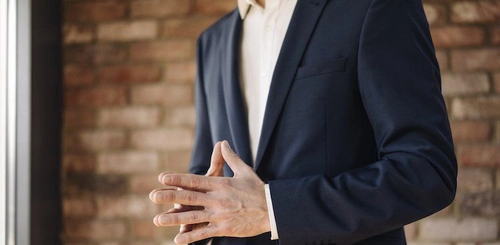
Start with your hands. Open palms read as honest in most cultures. Hidden hands read as guarded, even when you feel perfectly calm. I used to talk with my hands deep in my pockets. People kept asking if I was nervous. I wasn’t. I just looked that way.
Next, your feet. Feet pointed toward someone signal attention. Feet angled toward the door signal escape. In a long conversation, check your feet. They leak your real feelings.
Then your face. A genuine smile reaches the eyes. A polite smile stays in the mouth. Most people cannot tell you the difference in words, but they feel it within seconds.
Try this small experiment. Say I hear you to a friend twice. First with a nod and eye contact. Second with a blank face and still head. Ask which one they believed. You will get your answer fast.
The Pause and Plant Ritual
Here is a small habit I built after too many awkward meetings. I call it the Pause and Plant.
Before answering anything important, I pause for one breath. Then I plant both feet flat on the floor and let my shoulders drop. Only then do I speak.
That is it. Two seconds, four adjustments, no scripts.
The pause stops you from answering with your tense body. The planted feet ground you and read as steady. Dropped shoulders lower your voice naturally. People lean in when you do this. I have watched it happen in job interviews, in arguments with my brother, even at the bank.
A friend of mine tried it before asking his landlord for a rent reduction. He said the landlord’s whole demeanor shifted. Same words would have come out either way, probably. The body changed the room first.
How Do You Adjust in Different Settings?
One on one. Warmth matters most. Soften your eyes, angle your torso toward the person, keep your arms uncrossed. Small nods keep them talking.
Group settings. Openness matters most. Spread out a little. Claim your space without sprawling. Turning your torso slightly toward whoever is speaking signals respect without effort.
Presentations. Stillness matters most. Plant your feet, use deliberate gestures, then let your hands rest. Constant fidgeting drains your credibility faster than a shaky voice.
Video calls. Basics matter most. Look at the camera when you make key points, not at the screen. Sit back from the lens a bit. Lean in only when you want to emphasize something.
What Happens When Your Body and Words Disagree?
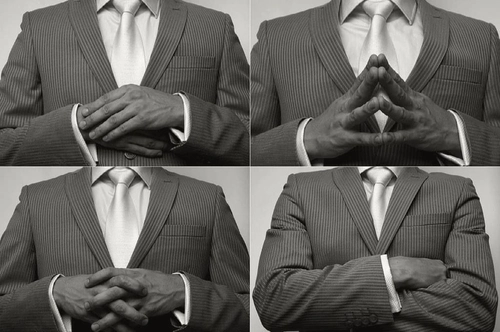
People believe the body. Every time. This is the uncomfortable part.
You say I’m not upset with a clenched jaw. They hear the jaw. You say take your time while checking your watch. They hear the watch. I have done both, and I have watched relationships cool for weeks over signals I never meant to send.
The fix is honesty or adjustment. Either say the true thing, or genuinely relax before you speak. Faking calm reads as tension to anyone paying attention. And someone always is.
FAQ
Is body language really more important than words?
Not more important, but more trusted. When the two disagree, people believe the body. Words still matter. They just need the body to back them up.
Can I change my body language without feeling fake?
Yes. Start with small adjustments like planting your feet or dropping your shoulders. They feel awkward for a week, then they become natural.
What is the most important body language signal?
Changes from your baseline. A sudden stillness, a shift in breathing, a hand that moves to the face. The shift tells you more than the gesture.
Does body language mean the same thing in every culture?
No. Eye contact, personal space, and gestures all mean different things in different places. Always consider context.
How do I know if my body language is sending the wrong message?
Watch how people respond to you. If they seem guarded or ask if you are okay, your body might be saying something you did not intend.
One Last Thing
A colleague asked me that question years ago because my body answered before I did. I think about that meeting more than I should. Not with embarrassment anymore. More like gratitude. Someone was reading me, and my crossed arms almost kept her from asking at all.
References
- Mehrabian, Albert. Nonverbal Communication. Aldine Transaction, 2007.
- Pease, Allan, and Barbara Pease. The Definitive Book of Body Language. Bantam, 2006.
- Goman, Carol Kinsey. The Nonverbal Advantage. Berrett-Koehler Publishers, 2008.