Sooner or later, everyone sits across from someone who smiles too fast and laughs a little too loud. How to tell if someone is insecure is one of those questions you never ask out loud, because the answer feels rude. A neighbor asked me this last spring about her sister-in-law, and I recognized the look. I had been there. What I told her is what I will tell you. You do not spot insecurity by catching someone in a lie. You spot it in the tiny gaps between what they say and what they do.
This is not a guide for diagnosing anyone. It is a set of observations from ordinary life. Think of this as a flashlight, not a courtroom.
Quick Answer: How do I tell if someone is insecure?
You watch for the small gaps. Bragging, criticizing, and constant approval-seeking all point to the same thing. A person who feels steady inside can hear good news about you without flinching. A person who does not will find a way to put a small dent in it.

The Signs Live in the Small Moments
Insecurity does not usually announce itself. It leaks.
- A friend who cannot decide where to eat, then criticizes the restaurant everyone picks
- A coworker who talks over people but checks his phone every two minutes when the room goes quiet
- A relative who only mentions her accomplishments when someone else is being praised
The pattern is the same underneath. One person I know does this thing where she compliments a photo, then adds, you look so much better than last year. She is not cruel. She is scared. When I started noticing that, her comments stopped stinging.
Why It Shows Up as Bragging or Criticism
Ask yourself what a person is protecting. That usually answers the question faster than any list.
Someone who brags constantly is often trying to build proof. Proof they matter. Proof they made the right choices. The louder the proof, the shakier the ground underneath it.
Criticism works the other way. If I can find something wrong with you, I do not have to look at what is wrong with me. A relative of mine does this at every family dinner. He has an opinion about the food, the traffic, the way you hold your fork. One year someone asked him, gently, whether he was tired. He went quiet for ten minutes. That quiet said more than his opinions did.
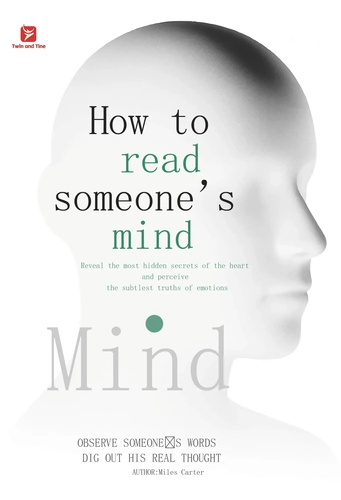
If you want to go deeper on reading people without jumping to conclusions, How to Read Someone’s Mind by Miles Carter is a practical guide that breaks down the small signals people send without realizing it. It helped me stop treating one comment as proof and start watching for clusters instead. A few highlights worth knowing: it teaches you to read body language and facial expressions in real time, spot behavioral patterns that reveal personality traits, understand hidden emotions behind ordinary words, and respond more accurately in both work and personal situations. It is the kind of book you keep nearby and return to.
The Three-Question Check
I use a simple routine when someone’s behavior starts to confuse me. It takes about a minute.
Did this person react to what I actually said, or to something bigger? If a small comment lands like a rock, something else is in the room.
Who were they performing for? Some people only behave badly when an audience is present. That tells you the reaction is about image, not about you.
What would it cost me to stay kind here? Sometimes the answer is nothing. Sometimes the answer is too much, and you step back. Both are allowed.
I tried this last month with a client who snapped at me over an email. By question two I realized his boss was copied on the thread. His harshness had almost nothing to do with me. I answered calmly and moved on.
Where the Pattern Comes From
Most insecure behavior is old. Not from this week. From a season of life when someone learned that love had conditions, or that mistakes were not safe. A kid who got laughed at for a wrong answer carries that room into adulthood. He becomes an adult who cannot say I do not know without a joke attached.
This is why you cannot argue someone out of insecurity. You can only refuse to play the game. A steady response, repeated, often does more than a clever one.
What It Looks Like in Different People
| Person | How It Shows Up |
|---|---|
| A friend | Needing plans confirmed three times |
| A partner | Jealousy over small things, or needing to know your schedule |
| A coworker | Taking credit and dodging blame in the same week |
The shape changes. The engine does not.
A Note on Your Own Reactions
Something strange happens when you start noticing this in others. You start noticing it in yourself. I caught myself last Tuesday fishing for a compliment about a project. I heard my own voice doing that little lift at the end of a sentence, hoping someone would fill the silence. I let the silence sit instead. It was uncomfortable. It was also fine.
That is the real gift of learning to read this pattern. It softens you. You stop keeping score. You start asking better questions, like are you okay, instead of why are you like this.
FAQ
Is insecurity always obvious?
No. It usually hides behind confidence, humor, or criticism. The loudest people in the room are sometimes the least sure of themselves.
Why do insecure people criticize others?
Because it shifts the focus. If they can find something wrong with you, they do not have to look at what is wrong with them.
Can I help someone who is insecure?
You can be steady and kind. You cannot fix them. That is their work, not yours.
What if I notice these signs in myself?
That is not a bad thing. Noticing is the first step. It softens you and makes it easier to ask for what you need.
How do I respond when someone’s insecurity lands on me?
Do not take the bait. Answer calmly. If it keeps happening, step back. You are allowed to protect your peace.
One Last Thing
I still think about that neighbor, sitting at her kitchen table, worried about her sister-in-law. Six months later, she told me they had a long talk. It started with a simple sentence. I feel like I am always on trial around you. Her sister-in-law cried. Neither of them mentioned insecurity once. They did not need the word. They just needed the space.
We are all walking around with a little fear in our pockets. When you spot it in someone else, you get a choice. You can poke it. Or you can leave it alone.
References
- Carter, Miles. How to Read Someone’s Mind.
- Goleman, Daniel. Emotional Intelligence. Bantam Books, 1995.
- Brown, Brené. Daring Greatly. Gotham Books, 2012.