I was sitting at a coffee shop last month when I noticed a guy across the room. He kept looking over. Every time I glanced up, his eyes were already on me. Then he would look away fast, like he had been caught. His body was angled toward my table. His feet pointed my way. His shoulders were open, not crossed. And when I finally smiled at him, he smiled back and walked over.
That moment made me realize something. Most of us are broadcasting availability all day long, and most of us are missing the signals. Not because they are subtle. Because we are not paying attention.
If you are wondering what body language signals availability, you are in the right place. It is not about tricks. It is about noticing what people already do when they are open to connection.
Quick Answer: What body language signals availability?
Open posture, steady eye contact, leaning in, and pointing your torso or feet toward someone all signal availability. Small touches and mirroring do too. The key is looking for clusters, not single signs.
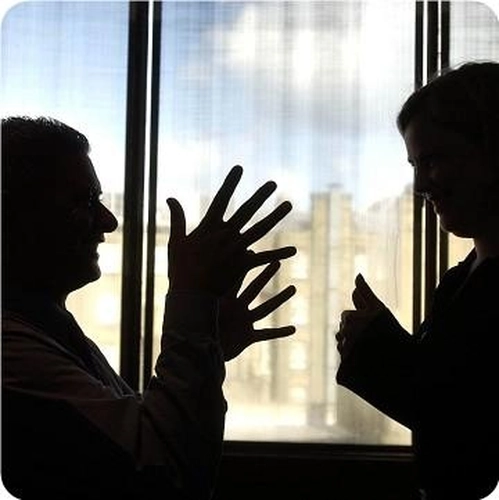
The Signals That Matter Most
Here is what to watch for, and what it usually means.
Eye contact. This is the big one. Someone who is interested holds your gaze a little longer than usual. They look at you while you talk. They might even glance at your mouth. A friend of mine told me she knew her now-husband was into her because he never looked past her shoulder at parties. He only looked at her.
Open posture. Arms uncrossed. Shoulders relaxed. Body facing you. When someone is closed off, they cross their arms, angle away, and keep their torso turned toward the exit. When they are open, they turn toward you. It is that simple.
Feet. People forget their feet. But feet are honest. If someone’s feet are pointed at you, they are engaged. If they are pointed toward the door, their mind has already left.
Leaning in. When someone leans toward you during a conversation, they are saying I want to be closer to you. It happens naturally when interest is there. You do not have to force it.
Mirroring. People who are connected unconsciously copy each other. You cross your legs, they cross theirs. You take a sip, they take a sip. It is not a trick. It is a sign of rapport.
Preening. Fixing their hair. Adjusting their shirt. Checking their reflection. When someone does this around you, they are trying to look good for you. It is a small thing, and it is a real thing.
Light touches. A hand on your arm. A brush past you in a hallway. These are small, casual, and often intentional. If someone touches you lightly, they are testing the water.
What Gets in the Way of Reading These Signals
The biggest mistake is treating one signal as proof. A single glance means nothing. A single touch might be accidental. You need clusters. You need patterns.
Also, context matters. Eye contact that reads as interest in one culture reads as rude in another. Personal space varies too. What is comfortable in one place feels invasive in another. Always consider the setting.
And one more thing. Anxiety can look a lot like disinterest. Someone who is nervous might avoid eye contact, fidget, or cross their arms. They might be very interested and very scared. Do not assume the worst from a single moment.
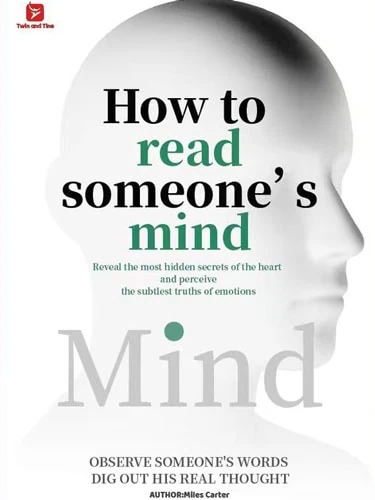
A book that helped me get better at this is How to Read Someone’s Mind by Miles Carter. It breaks down eye contact, gestures, posture, and vocal shifts in a way that is practical, not academic. It taught me to look for patterns instead of jumping to conclusions from one signal.
How to Show Your Own Availability
If you want someone to know you are open, you do not need to say a word.
Put your phone away. Give them your full attention. Turn your body toward them. Keep your arms uncrossed. Smile when they say something funny. Lean in slightly when they speak. If you are comfortable, a light touch on the arm can say more than a long conversation.
The goal is not to perform. The goal is to be present. When you are genuinely listening, your body does the work for you.
What If You Are Not Sure?
Ask. Not in a heavy way. Just a simple question. Would you want to grab coffee sometime? It is direct and it gives the other person a clear door to walk through or close.
Body language can tell you a lot. But it cannot tell you everything. At some point, you have to use your words.
A Closing Thought
That coffee shop moment? He walked over, we talked for an hour, and we have been on three dates since. I almost missed it because I was overthinking whether his glance meant anything. It did. I just had to pay attention.
You do not need to be a body language expert. You just need to be present enough to notice when someone is turning toward you. And brave enough to turn back.
References
- Pease, Allan, and Barbara Pease. The Definitive Book of Body Language. Bantam, 2006.
- Navarro, Joe, with Marvin Karlins. What Every BODY Is Saying. William Morrow, 2008.
- Goman, Carol Kinsey. The Nonverbal Advantage. Berrett-Koehler Publishers, 2008.
- Carter, Miles. How to Read Someone’s Mind.