If stress leaves you tossing and turning, it doesn’t mean you’re weak-willed — your nervous system is sending out a distress signal. Here are 8 non-prescription, research-supported methods you can use tonight.
Core List
1. 4-7-8 Breathing
Inhale for 4 seconds → hold for 7 seconds → exhale for 8 seconds. Repeat 4-5 times.
Mechanism: activates the parasympathetic nervous system, which helps reduce physiological arousal. Popularized by Harvard-trained MD Andrew Weil, breathing exercises like this are commonly used in insomnia and anxiety interventions, including CBT-I programs. But the first time I tried it, I couldn’t hold for 7 seconds at all — by the 5th second, I felt like I was going to explode. I stuck with it for a week. Then one night, I woke up in the middle of the night, did three rounds, and watched my heart rate drop from 110 to 70.
2. Stimulus Control
What it is: If you can’t fall asleep after 20 minutes in bed, get up, leave the bedroom, and only go back when you feel sleepy again.
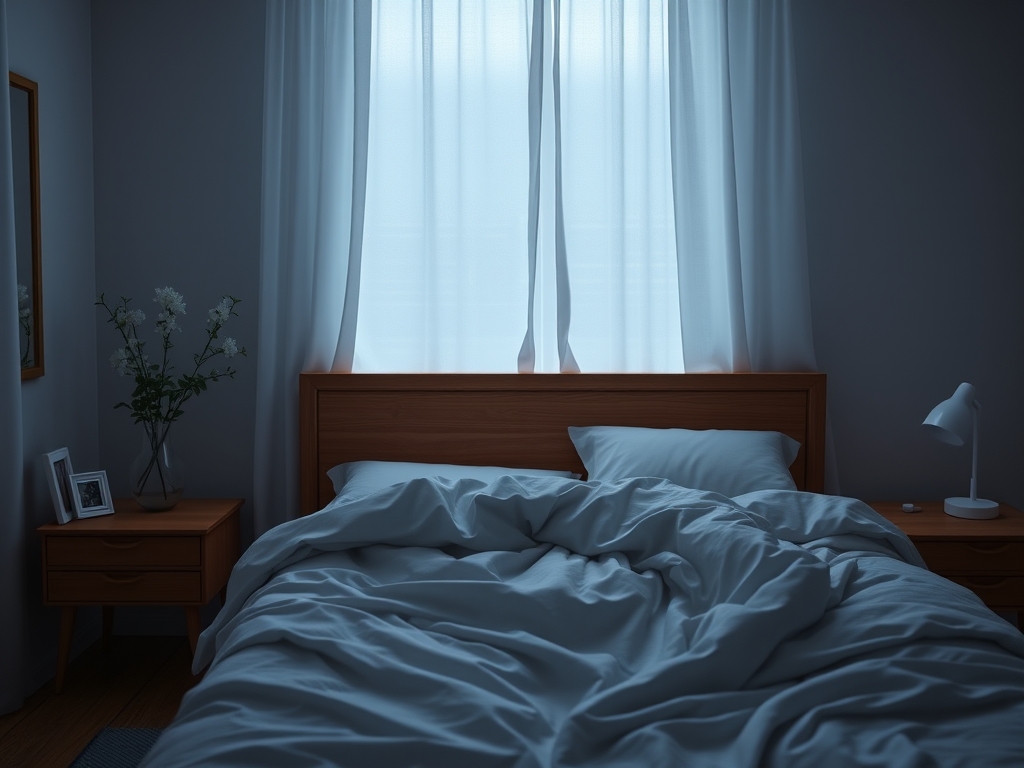
This is a core component of Cognitive Behavioral Therapy for Insomnia (CBT-I), with more than 50 randomized controlled trials confirming its effectiveness over sleeping pills. The goal is to break the false association of “bed = wakefulness + anxiety.” I know this sounds counterintuitive — but it’s precisely your effort to force yourself to sleep that keeps your insomnia alive.
3. Cold Stimulation
Run cold water over your wrists or the back of your neck for 30-60 seconds.
Support: activates the “dive reflex,” forcing the body to switch from “fight or flight” to “rest and digest.” When you feel like your heart is about to jump out of your chest, this is the fastest physical brake.
4. 5-4-3-2-1 Grounding Technique
Name 5 things you can see, 4 things you can touch, 3 sounds you can hear, 2 smells you can smell, and 1 taste you can taste.
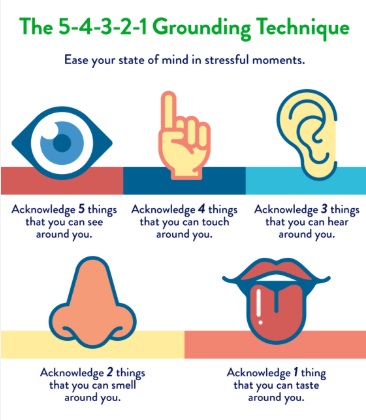
Mechanism: helps redirect attention away from spiraling thoughts and back to the present moment, interrupting the cycle of ruminative thinking. This is a technique for interrupting acute anxiety, commonly used in trauma therapy. It requires no tools — just your senses in this moment.
5. Brain Dump Notes
15 minutes before bed, write down all the to-dos and worries in your head, then close the notebook.
A 2018 study in the Journal of Experimental Psychology found that “expressive writing” can help some people fall asleep faster. But after using this method for two years myself, my biggest takeaway wasn’t that it shortened the time to fall asleep — it was that when I thought about that thing again at 2 a.m., I could tell myself: “I already wrote it down. I’ll deal with it tomorrow.”
6. Light Blocking Trio
Dim the lights 90 minutes before bed + turn your phone to grayscale mode + wear an eye mask.
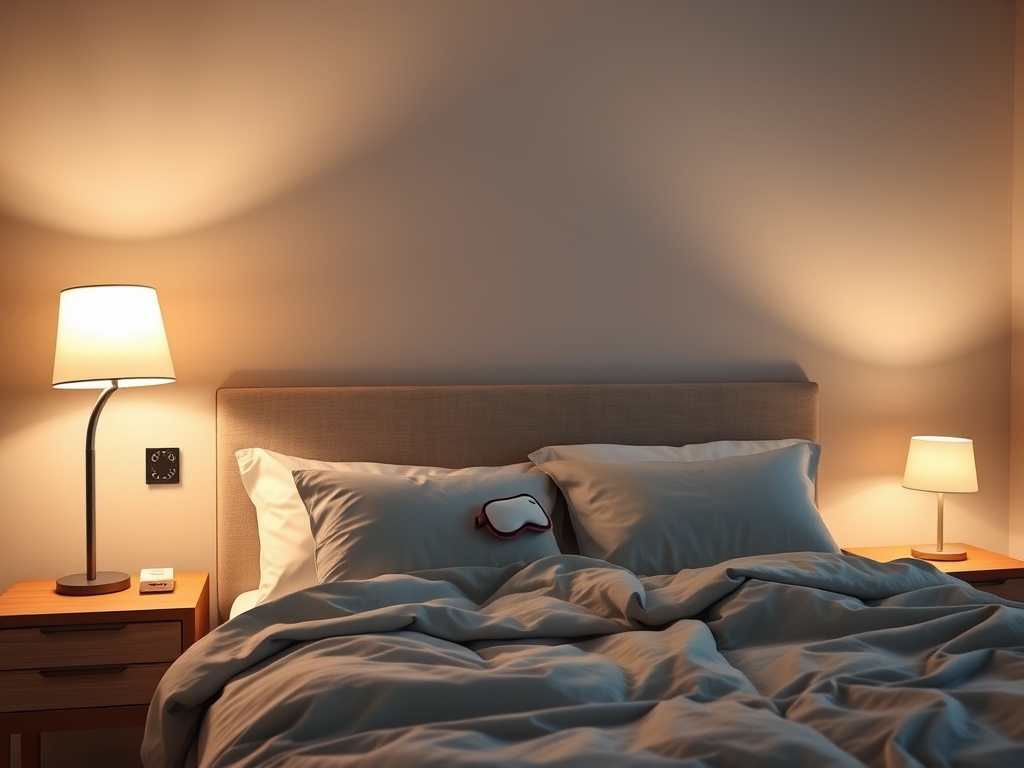
Support: blue light can significantly suppress melatonin production and delay sleepiness. A 2019 systematic review in Sleep Medicine Reviews indicated that eye masks may improve sleep quality and reduce nighttime disruptions — you may not realize you’re waking up, but your sleep structure has already been disrupted.
Quick Reference Table
| Method | One-Sentence Core Action |
| 4-7-8 Breathing | Inhale 4, hold 7, exhale 8. Repeat 5 times. |
| Stimulus Control | Get up if you can’t fall asleep in 20 minutes. |
| Cold Stimulation | Run cold water over wrists or back of neck for 30 seconds. |
| 5-4-3-2-1 Grounding | Name see, touch, hear, smell, taste in sequence. |
| Brain Dump Notes | Write it down, then close the notebook. |
| Light Blocking Trio | Dim lights + grayscale mode + eye mask. |
You don’t need to try all 8. Pick the one that feels most natural to you — maybe cold water on your wrists, maybe writing down a list. The next time stress or insomnia hits, use it directly. The beauty of science is this: it doesn’t demand perfection. It only asks you to start.
Try one tonight. You’ll be okay. One step at a time.