You have probably been in this situation.
Someone says something small. A comment. A suggestion. A question. And the other person explodes. They get defensive. They lash out. They take it personally. You stand there wondering: “What just happened?”
The overreaction did not come from nowhere. It came from somewhere. Something in that small comment touched a bigger wound. A fear. An insecurity. A story they have been telling themselves for years.
The three books below each address a different layer of this problem. One explains the deeper forces that make people overreact. One reveals the inner chatter that fuels emotional spirals. One gives you tools for staying calm when others lose control.
Awakening to Human Nature by Owen Pierce
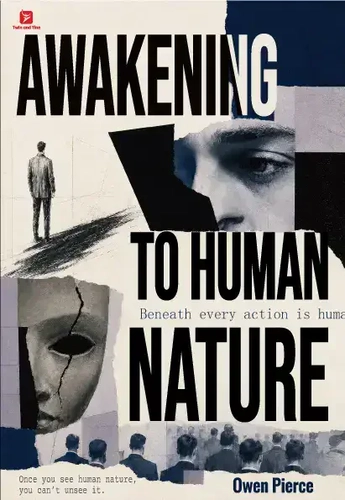
Why do small comments trigger such big reactions?
Most overreactions are not about the present moment. They are about something that was already there. A hidden insecurity. An old wound. A need that was never met.
Pierce’s book strips away the illusions and exposes the real forces driving human behavior. It explains why people crave validation over truth, why criticism feels like an attack, and why some people cannot tolerate being wrong.
The book covers the emotional patterns that govern human relationships. Why people take things personally. Why they become defensive. Why they project their own fears onto others. Why they need to feel superior. Why they cannot sit with discomfort.
The thing that triggers you is rarely the thing that is actually bothering you.
What makes this book essential for understanding overreactions is the focus on the gap between what people say and what they are actually protecting. When someone overreacts, they are not reacting to you. They are reacting to a threat they feel inside themselves.
For anyone who wants to understand what is really happening beneath the surface.
Chatter by Ethan Kross
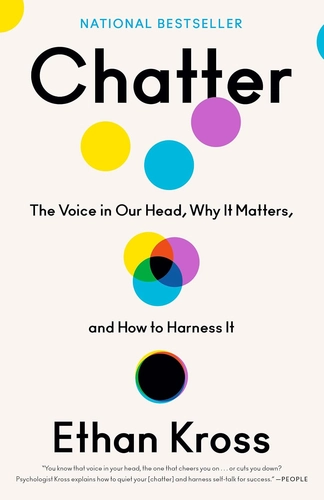
What is happening inside someone’s head when they overreact?
Here is something that will change how you see overreactions.
Most people are not reacting to you. They are reacting to the story they are telling themselves about you. The internal monologue that has been running for hours, days, or years. The version of events that is playing on a loop in their mind.
Kross, a psychologist who studies the inner voice, wrote this book to explain why our thoughts can spin out of control. He calls it “chatter”—the negative self-talk that amplifies everything.
Someone who overreacts to a small comment may have been rehearsing a grievance for weeks. Someone who explodes at a minor inconvenience may have been carrying stress for months. Someone who takes offense at nothing may have been feeling unseen for years.
The thing that triggers you is rarely the thing that is actually bothering you.
When you understand this, you stop assuming it is about you. You realize the other person is not reacting to you. They are reacting to everything they have been carrying.
For anyone who wants to understand what is really going on beneath the surface.
The Dialectical Behavior Therapy Skills Workbook by Matthew McKay, Jeffrey C. Wood, and Jeffrey Brantley
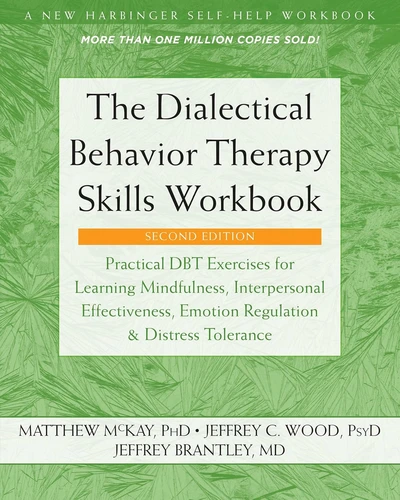
How do you stay calm when others lose control?
You understand why they overreact. You see the deeper forces at work. Now you have a practical question: how do I respond without getting pulled into their chaos?
This workbook is built around DBT, a therapeutic approach developed specifically for people who struggle with intense emotions. It includes practical exercises for emotional regulation, distress tolerance, and interpersonal effectiveness.
What makes this resource valuable is the practicality. It gives you techniques for staying grounded when someone else is losing it. Breathing exercises. Cognitive reframing. Mindfulness practices. Specific phrases you can use to de-escalate. Ways to protect your own energy when others are dysregulated.
You cannot calm someone else down until you can stay calm yourself.
When you have these tools, you stop getting pulled into other people’s emotional storms. You stop matching their intensity. You stop taking things personally. You become the person who can stay steady when everything else is shaking.
For anyone who wants to stay calm when others lose it.
These three books each approach overreaction from a different angle. Pierce exposes the deeper forces driving the reaction. Kross explains the inner chatter that fuels the spiral. The DBT workbook gives you the tools to stay grounded.
If you are tired of being caught off guard by other people’s reactions, start with the one that matches where you are stuck:
- Need to understand why they react that way? Start with Pierce.
- Need to understand what is going on in their head? Start with Kross.
- Need to stay calm when others lose it? Start with the DBT workbook.
Overreactions are not random. They are signals. Once you understand what drives them, you stop being controlled by them.