I still remember the night I checked my banking app at 11pm and felt my stomach drop. The salary had landed three days earlier. Now there was less than a third of it left. I had not bought anything big. No new laptop, no weekend trip. Just groceries, a few takeout orders, and one of those I deserve it purchases I could not even remember making. That night I started searching for books about bad money habits, because clearly the problem was not my income. The problem was me.
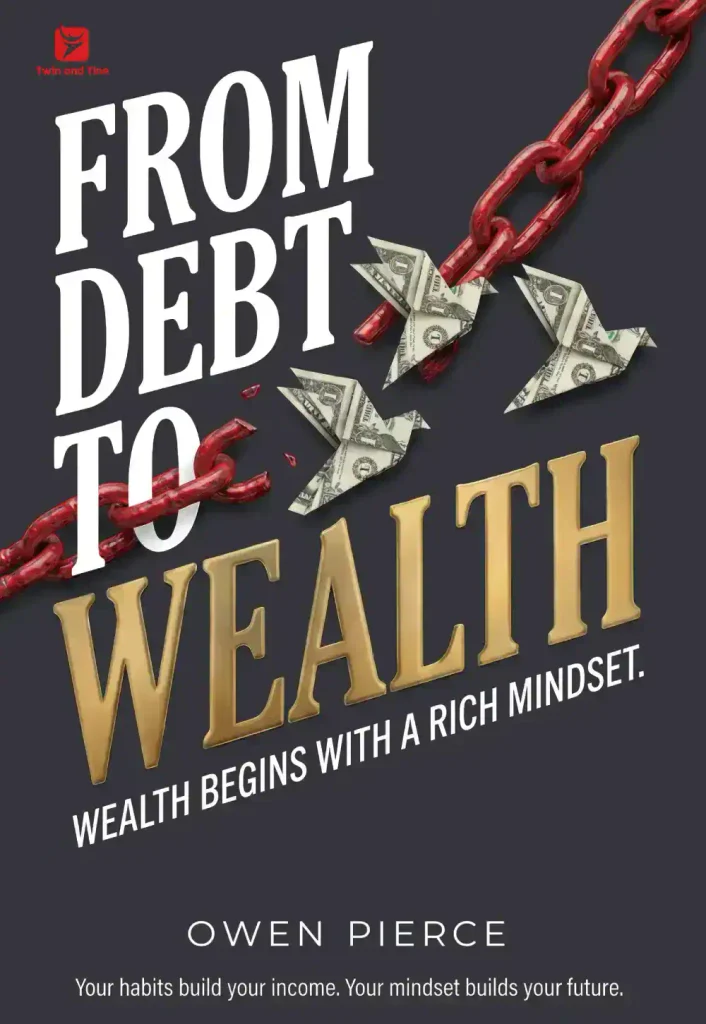
My wife found it first, actually. She left a copy of From Debt to Wealth by Owen Pierce on the kitchen counter, no note, just the book sitting next to the fruit bowl. I read the subtitle question on the cover and laughed out loud, because it was exactly what I had been asking myself for years. Why do I make money every month and still have nothing left?
Quick Answer: What is the real reason money disappears?
Most people do not have an income problem. They have a habit problem. And habit problems do not show up on a payslip.
Why Your Money Disappears
The book opens with a simple idea that hit me harder than it should have. Most people do not have an income problem. They have a habit problem. And habit problems do not show up on a payslip.
I used to believe that a raise would fix everything. Then I got one. Within two months, my spending had quietly grown to match it. New phone plan, slightly nicer groceries, a gym membership I visited exactly four times. Pierce calls this the income creep, and once you see it in your own life, you cannot unsee it.
Here is the part that stung. I was confusing expensive purchases with wealth. A new watch felt like progress. It was not progress. It was a story I told myself so I could feel like I was winning.
The Habits You Never Notice
- Buying things to feel successful, then feeling trapped by the payments
- Relying on one source of income and calling it stability
- Putting off long-term decisions because today is stressful enough
Sound familiar? It did to me.
How Do You Actually Break Bad Money Habits?
The book does not promise overnight riches, and honestly that is why I trusted it. The goal is smaller and more honest. Stop repeating the same patterns. Build a financial life with more room and less panic.
One exercise stuck with me. Pierce asks you to look at your last three months of spending and sort everything into two piles. Things that made your life bigger, and things that just made the month disappear. I did this on a Sunday afternoon and found about 400 dollars that fell into the second pile. Every month. Quietly. Gone.
So I tried one change. Before any purchase over 50 dollars, I wait one day. Not a week, not a month. One day. That tiny pause killed maybe half of my impulse buys. My wife noticed before I did. She said I seemed less tense at the end of each month.
The Two-Question Rule
I gave this a name because names stick. Whenever money is about to leave my hands, I ask two questions.
One. Is this making my life bigger, or just making today easier?
Two. If I bought nothing this week, would I still want this next week?
That is it. Two questions, ten seconds. It sounds too simple, and some days it is. But simple beats clever when you are tired and the checkout button is right there.
The book also pushed me to think about skills as assets. I started a small side project teaching what I already knew, and it now covers our grocery bill. Not life-changing money. Just breathing room. And breathing room, it turns out, is what I was actually chasing all along.
Why This Beats Cutting Coffee
I tried the coffee thing. I really did. Skipping a three-dollar coffee while paying for a storage unit full of things I never used made no sense, and some part of me knew it. The bigger decisions are where the real money lives. Where you live. What you drive. Who you owe.
The Days I Still Mess Up
I want to be honest here. I still overspend sometimes. Last month I bought a kitchen gadget I have used twice. My daughter thinks it is hilarious. My wife does not.
But the difference now is the recovery time. Before, one bad purchase would send me into a spiral of guilt and more spending. Now I just note it, ask my two questions, and move on. Progress, not perfection. That phrase is overused, but it fits this.
FAQ
What is the best book for bad money habits?
From Debt to Wealth by Owen Pierce. It focuses on the patterns behind spending, not just the math.
Why do I spend money even when I know I should not?
Because spending gives your nervous system a quick exit. It is not about the thing you buy. It is about the feeling you are trying to lower.
How do I stop impulse buying?
Try the one-day rule. Before any purchase over 50 dollars, wait one day. That tiny pause is enough to break the reflex.
Does this work if I have debt?
Yes. The book focuses on habits first. Once you see the patterns, you can start changing them, even while paying down debt.
Can I do this with my partner?
Yes. The two-question rule works for couples too. Ask each other before big purchases. It opens a conversation instead of a fight.
A Closing Thought
That 11pm banking app moment still visits me sometimes. Not as often now. When it does, I think about the book sitting next to the fruit bowl, and I remind myself that the cycle is made of small choices. Small choices can be remade. That thought helps me sleep.
References
- Pierce, Owen. From Debt to Wealth.
- Stanley, Thomas J., and William D. Danko. The Millionaire Next Door. Gallery Books, 1996.
- Kiyosaki, Robert T. Rich Dad Poor Dad. Plata Publishing, 1997.