You finished The Laws of Human Nature. Or maybe you started it, got halfway, and felt overwhelmed by the density. Either way, you got the point: people are not rational. Hidden motives, self‑deception, and status games drive most behavior.
But now what? You want to go deeper — or you want something that actually fits into a busy life. These three books take Greene’s insights and give you something different: one is more practical, one more scientific, and one more directly usable in everyday interactions.
How to Read Someone’s Mind by Miles Carter
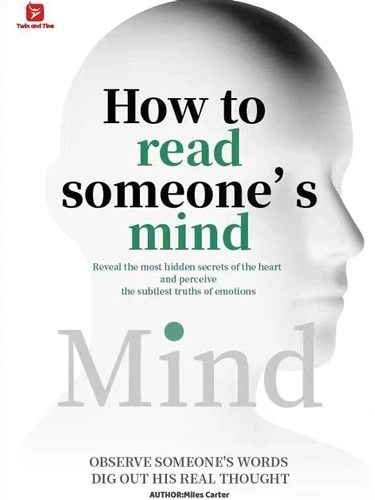
If Greene teaches you the theory of human nature, Carter teaches you the practice. Greene explains why people behave the way they do; Carter shows you how to spot that behavior in real time — in a meeting, a conversation, or a relationship.
Carter breaks down reading people through four channels: face, body, voice, and context. A slight lean‑forward tells you they are engaged. A guarded posture tells you to back off. A rise in pitch tells you they are excited. These are not random cues — they are roadmaps to what someone is actually thinking.
This book is the perfect continuation if you finished Greene and thought: I understand the principles, but how do I actually see them play out in real life? Greene gives you history. Carter gives you eyes.
If Greene told you why people are irrational, Carter shows you how to catch them in the act.
What Every Body Is Saying by Joe Navarro
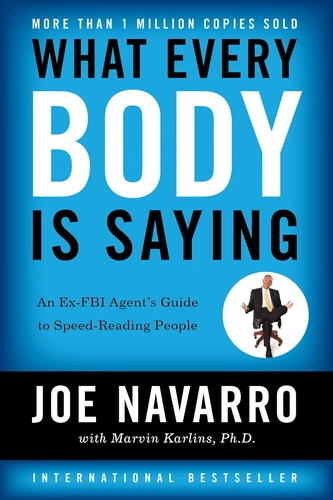
Greene writes about grand strategies and historical patterns. Navarro writes about the small, involuntary signals people send every second — signals they cannot control and often do not know they are sending.
Navarro spent 25 years as an FBI counterintelligence officer, reading people in high‑stakes situations. His book is a practical guide to decoding body language: feet, hands, posture, and the subtle movements that reveal what someone is really thinking. Unlike Greene’s historical portraits, Navarro’s examples are drawn from real interrogations, airport security, and everyday interactions. The lessons are immediate and verifiable.
If Greene teaches you the long view of human nature, Navarro teaches you the moment‑by‑moment view. Together, they cover both the big picture and the minute details.
If Greene tells you why people lie, Navarro tells you how to catch them in the act.
The Elephant in the Brain by Kevin Simler and Robin Hanson
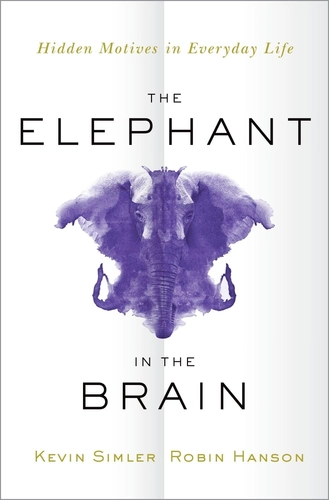
Greene touches on hidden motives. This book is entirely about them. The central argument: we are masters of self‑deception because we are masters of deceiving others. We lie to ourselves so we can lie to them more convincingly.
Every chapter reveals a hidden driver behind seemingly noble behavior. We donate to charity not just to help, but to look good. We work hard not just to produce value, but to signal status. We choose partners not just for love, but for social standing. These are not cynical claims — they are backed by research.
Greene covers similar territory, but Simler and Hanson are more focused, more research‑driven, and less theatrical. They do not give you historical portraits of Louis XIV. They give you a mirror.
If Greene gave you the big picture, this book holds up a mirror to your own hidden motives.
Which one should you read next?
If you want to see the laws playing out in real‑time interactions, read Carter. It is the practical follow‑up to Greene’s theory.
If you want to understand the minute, involuntary signals people cannot hide, read Navarro. It is the body‑language companion.
If you want to understand the hidden motives that drive your own behavior, read Simler and Hanson. It is the uncomfortable truth.