You glance at the calendar. It’s your anniversary. He’s scrolling his phone like it’s any other Tuesday.
Or you come home from a rough day. You’re quiet. He’s still talking about what’s for dinner. You think: If he really loved me, wouldn’t he just know?
Many of us secretly expect our partners to understand us without words. The problem is that love doesn’t come with mind-reading abilities.
Why Do We Want Our Partners to Read Our Minds?
Wanting to feel understood isn’t demanding or dramatic. It’s just human. Emotional intimacy often feels like someone understands you without you having to explain.
This can partly be traced back to early attachment experiences. Some of us grew up with caregivers who seemed to anticipate our needs. Others learned that speaking up didn’t help much. Either way, you might carry that expectation into adult relationships: If someone really cares, they’ll notice without being told.
Then add romantic movies and the soulmate myth. Two people lock eyes and suddenly know everything. That idea sticks. So when your partner misses your mood, it can feel like proof that the connection isn’t real.
Underneath all that is a simpler wish: to feel valued and seen. Not because you asked. Just because you matter.
Can Couples Actually Read Each Other’s Minds?
No. Healthy couples do not read minds.
But long-term partners sometimes can finish each other’s sentences or know when to stay quiet. That isn’t telepathy. It’s what experts call emotional attunement. Over time, you notice patterns. You learn how your partner expresses frustration or joy. You get better at recognizing emotions.
That said, even people married for decades can misread a tired sigh for anger. What looks like mind reading is often just relationship awareness built on thousands of small observations. It’s not magic. It’s attention.
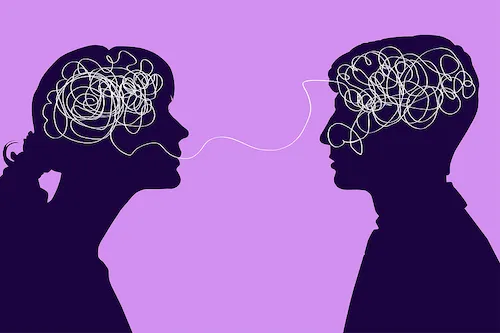
Signs You’re Expecting Your Partner to Read Your Mind
You Feel Hurt When You Have to Ask for What You Need
Asking for emotional support can feel awkward. You might worry you sound needy. So you stay quiet and wait. When nothing happens, it stings. But needing to ask doesn’t mean they don’t care. It just means you’re two different people.
You Assume They Should Already Know How You Feel
Why doesn’t my partner understand me? That thought usually comes when you haven’t actually said how you feel. You think the signs are obvious. Often, they’re not.
You Get Frustrated When They Guess Wrong
They try. They bring you tea when you wanted space. You feel irritated. That frustration is a clue. You’re expecting them to guess correctly every time. Real relationships don’t work that way.
Why Even Loving Couples Misunderstand Each Other
You can love someone deeply and still miss what they need.
People grow up in different emotional environments. In one family, silence means peace. In another, silence means anger. You bring your own translation guide into the relationship.
Communication styles differ too. Some people say exactly what they think. Others hint. Some show love by helping with tasks. Others show it with words. These mismatches aren’t failures. They’re just differences in what some call love languages.
And when life gets stressful, listening gets harder. You might be worried about work while your partner is worried about you. Both of you miss each other’s signals. That’s not a lack of love. That’s being human.
What Healthy Couples Do Instead
A friend of mine—let’s call her Rachel—used to get quietly upset every time her husband didn’t notice she was exhausted. She’d sigh louder, move slower, wait for him to say something. He almost never did. One night she finally said: “I need you to just take over dinner on Wednesdays. No asking. Just do it.” He said okay. And that Wednesday, he did. She told me later: “I spent two years being mad at him for something I never actually said.”
That happens a lot. You assume love means they should just know. But most partners aren’t ignoring you on purpose. They’re just not picking up on what you’re trying to communicate.
Here’s what tends to work better.
Say What You Need Instead of Hoping They’ll Guess
Clear language isn’t unromantic. “I need quiet time right now” is kinder than waiting for them to figure it out and then feeling resentful. Expressing needs directly builds trust, not neediness. Some people worry that if they have to ask, it doesn’t count. But needing to say something out loud doesn’t make the care any less real.
Check Understanding Before Making Assumptions
Instead of assuming they know, ask. “Are you upset or just tired?” That small question can prevent hours of misunderstanding. Active listening means repeating back what you heard: “So you’re saying you need help with the kids tonight, not advice?”
Emotional validation also matters. You don’t have to agree. Just say: “I can see why you’d feel that way.”
A lot of couples find that the simple act of checking in—without blame—changes the whole tone of a conversation. It’s not about being perfect at reading each other. It’s about being willing to ask.

Can Long-Term Couples Become Better at Understanding Each Other?
Yes and no.
Over the years, you get better at recognizing moods. You know his morning grump will pass by 10 a.m. You know he forgets dates unless they’re in a calendar. That’s not mind reading. That’s paying attention.
But even couples married fifty years still have moments where one says: “How was I supposed to know that?” Because you can’t. Strong relationships don’t rely on telepathy. They rely on asking, telling, and asking again.
FAQ
Is it normal to expect your partner to read your mind?
It’s common, but not realistic. Most of us want to feel understood without explaining. That doesn’t make it a fair expectation.
Why do I get upset when my partner doesn’t understand me?
Feeling misunderstood can touch a deeper worry: Maybe I don’t matter as much as I thought. That hurts. But misunderstanding isn’t the same as not caring.
Should I have to tell my partner what I need?
Yes. Telling someone what you need isn’t a failure of love. It’s how two different people stay connected.
Can couples become more intuitive over time?
They can learn patterns. They can anticipate preferences. But intuition isn’t a replacement for asking directly. Communication skills matter more than guesses.