You have probably experienced this. Someone you knew well suddenly seemed different. A friend who was always supportive started acting distant. A partner who once felt warm became cold. A colleague who used to be generous turned competitive.
You ask yourself: did they change? Or were they always like this?
People do not always become different people. Sometimes new circumstances reveal what was already there. Sometimes pressure, new incentives, or unfamiliar roles activate behaviors that were hidden beneath the surface.
These books help you understand why people change and what is really happening beneath the surface.
Awakening to Human Nature by Owen Pierce
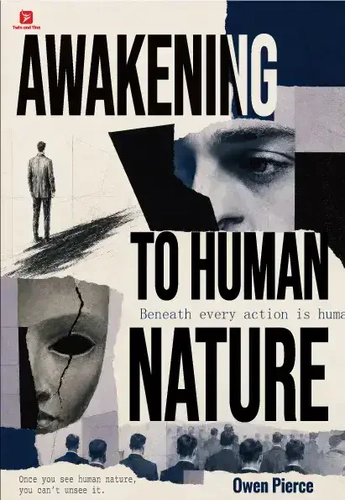
Why people reveal different sides of themselves
Most people assume that when someone changes suddenly, they made a conscious choice to be different. Pierce argues that the shift is rarely that simple.
People do not always become someone new. Sometimes circumstances reveal what was already there. A person who seems generous when they want to be liked may become selfish when they feel secure. Someone who appears kind in comfortable situations may show a different side when they feel threatened or stressed.
Pierce explains that behavior is shaped by hidden forces: self-protection, status concerns, and the need to maintain self-image. When circumstances change, these forces shift, and so does behavior.
What you will learn:
- How hidden traits emerge under different conditions
- Why people act differently when circumstances change
- How self-protection shapes behavior
- How to distinguish between genuine change and new conditions
Who should read this: Anyone who has ever watched someone change and wondered if it was real.
Transitions by William Bridges
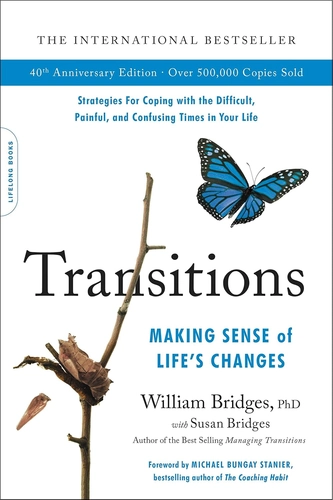
Why major life events change people
Some changes are not about hidden traits. They are about life itself.
Bridges studied how people navigate major transitions: marriage, divorce, career change, aging, loss. He found that external change creates internal change. When people move through a significant life event, they often question their identity, values, and relationships. The person who emerges on the other side may not be the same person who entered.
This is not a choice. It is a process. And it often takes time.
What you will learn:
- How major life events shape identity
- Why people change during transitions
- How to recognize the process of personal transformation
- Why change often feels like loss
Who should read this: Anyone who has ever wondered why a life event changed someone.
The Road Less Traveled by M. Scott Peck
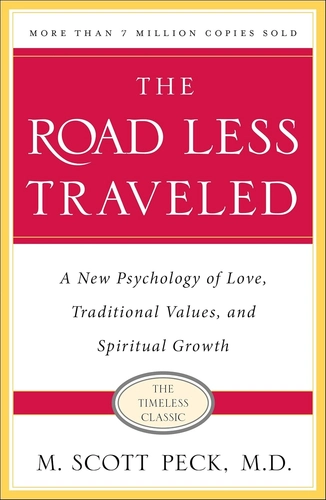
How experience shapes character
Some changes do not happen because of a sudden event. They happen through accumulated experience.
Peck argues that character is shaped by how people respond to life’s challenges. A person who avoids discomfort may stay the same for years. A person who faces it may grow. The difference is not in their nature. It is in their choices.
This book helps you see how people change through maturity, responsibility, and the willingness to confront what they would rather avoid.
What you will learn:
- How experience shapes character over time
- Why some people grow and others stay the same
- How avoidance keeps people stuck
- Why facing discomfort creates real change
Who should read this: Anyone who has ever watched someone grow and wondered what made them different.
The Righteous Mind by Jonathan Haidt
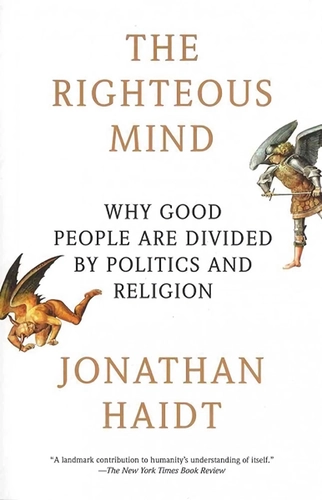
Why people change their beliefs and values
Sometimes the most noticeable change is not in behavior. It is in what people believe.
Haidt explains that people do not form beliefs through logic alone. They form beliefs through emotion and social identity. When their group changes, their beliefs often shift. When their environment changes, their moral framework can shift with it.
This is why people can seem to suddenly adopt new political views, moral positions, or social values. It is not always about thinking differently. It is about belonging to a different group.
What you will learn:
- How group identity shapes belief
- Why people change their values when their environment changes
- How moral frameworks shift over time
- Why arguments alone rarely change minds
Who should read this: Anyone who has watched someone adopt new beliefs and wondered why.
The Laws of Human Nature by Robert Greene
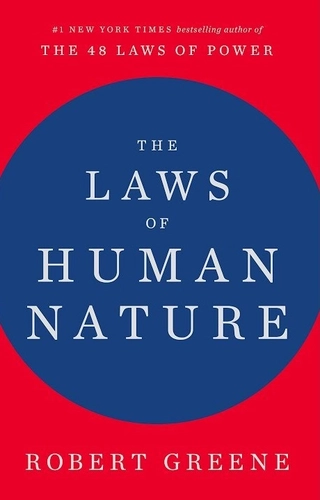
How power, status, and environment reveal hidden sides of people
Greene writes about the patterns that shape human behavior across time and culture. He argues that people are not driven by consistent values. They are influenced by ambition, insecurity, fear, and desire for control.
A person who becomes successful may not suddenly become selfish. They may finally have the power to express what was already there. A person who loses status may not become bitter. They may lose the incentive to be generous.
Greene helps you see how changes in circumstances can reveal what was hidden beneath the surface.
What you will learn:
- Why success can reveal hidden traits
- How power and status change behavior
- Why people act differently when incentives shift
- How to see the pattern beneath the change
Who should read this: Anyone who has wondered why people change when their circumstances change.
Why change is rarely as sudden as it looks
These books help you see sudden change differently. It is often not a transformation. It is a revelation. Something was always there, waiting for the right conditions to appear.
Sometimes it is triggered by life events. Sometimes it is the result of accumulated experience. Sometimes it is about power, status, or group identity.
Understanding this does not make change less painful. But it helps you stop asking “what happened to them?” and start asking “what was already there?”
FAQ
Do people really change suddenly?
Sometimes it is not change. Sometimes it is a side of them that was hidden until new circumstances revealed it. Genuine change also happens, but often through accumulated experience and transitions.
Why does success change people?
Success changes circumstances. It provides power, visibility, and freedom from consequences. Those conditions can reveal traits that were previously hidden or suppressed.
How do you know if someone actually changed?
Look for consistency over time. A single shift is not a pattern. Repeated behavior across different situations is evidence of change.
Can people change their personality?
Personality is more stable than behavior. What changes more often is how people act under different circumstances.