You have probably experienced this.
Someone says something that stings. A partner dismisses your feelings. A friend makes a comment that feels like a dig. A parent refuses to acknowledge how their behavior affects you.
The confusing part is not always the hurt itself. It is not understanding why they did it.
Do they not care? Are they trying to be cruel? Or is something else going on?
The answer is often more complicated than simple cruelty. People hurt others for reasons that are not always obvious. Sometimes they are protecting themselves. Sometimes they are unaware of their own patterns. Sometimes their behavior is driven by needs they have never examined.
The books below help you see the psychology behind the hurt. They do not excuse the behavior. They help you understand it.
Awakening to Human Nature by Owen Pierce
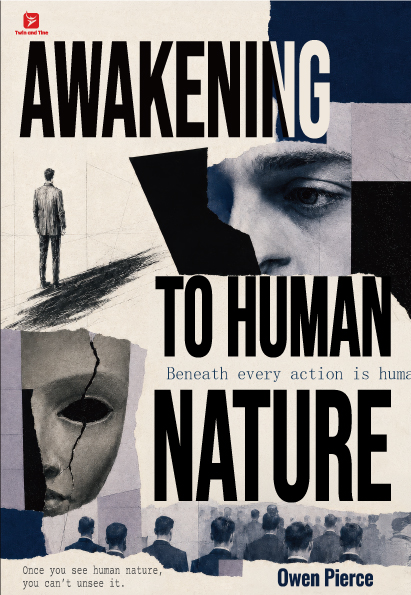
Understand why people hurt others
Many people assume that when someone hurts them, it is intentional. They believe the person meant to cause pain.
Pierce explains that this is often not the case. People hurt others most often when they are trying to protect themselves. A person who attacks when criticized may not be trying to hurt you. They may be defending a fragile self-image. Someone who dismisses your feelings may not be cold. They may be avoiding their own discomfort. A person who cannot apologize may not be proud. They may be unable to face what an apology would say about them.
This does not make the hurt less real. But it changes how you see it. You stop asking “why are they doing this to me?” and start seeing the internal struggle behind the behavior.
What you will learn:
- How self-image drives hurtful behavior
- Why people attack when they feel threatened
- What prevents people from apologizing or taking responsibility
- How to separate someone’s behavior from your own worth
Who should read this:
Anyone who has ever been hurt and wondered why the person did it.
Why Does He Do That? by Lundy Bancroft
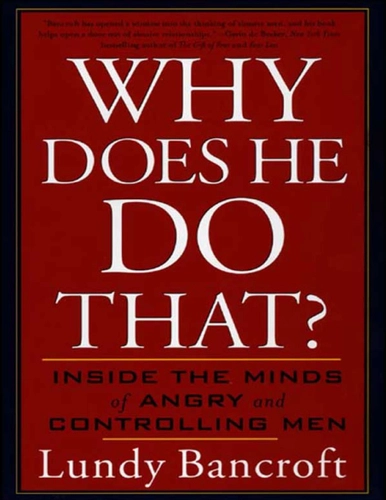
Understand why some people repeatedly hurt those closest to them
Some hurtful behavior happens in moments of conflict or stress. But some follows a pattern. It repeats. It escalates. And it often comes from someone who claims to love you.
Bancroft spent decades working with men who were abusive toward their partners. He found that the behavior was not about anger issues or losing control. It was often driven by deeply held beliefs: entitlement, the need for control, and the belief that their needs mattered more than others’ well-being.
This book helps you recognize when hurtful behavior is not a one-time mistake but part of a pattern. It explains why some people cannot take responsibility for their actions and why they blame others instead.
What you will learn:
- The difference between occasional hurt and a pattern of harm
- Why some people blame others for their own behavior
- How entitlement and control show up in relationships
- Why apologies without change are not real apologies
Who should read this:
Anyone who has ever been hurt by someone who refused to take responsibility.
The Verbally Abusive Relationship by Patricia Evans
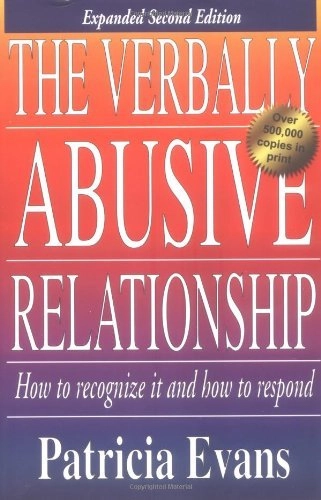
Understand how people hurt others through words
Not all hurt comes from obvious attacks. Some comes from words that sound reasonable but slowly erode your confidence.
A partner says, “You’re too sensitive.” A friend says, “I was just joking.” A parent says, “You’re overthinking it.” At first, these comments might seem harmless. But over time, they can make you question yourself. You start to wonder if you are the problem.
Evans explains how verbal abuse often hides behind language that seems ordinary. She shows how controlling people use words to dismiss, undermine, and confuse. She also offers ways to recognize these patterns and respond without getting drawn into the dynamic.
What you will learn:
- How verbal abuse hides behind everyday language
- Why some people make you question your own perception
- How to recognize patterns of dismissal and minimization
- How to respond without being drawn into the dynamic
Who should read this:
Anyone who has ever been told they are “too sensitive” when they knew something was wrong.
What these books teach you together
These three books approach hurtful behavior from different angles.
The first book explains the internal drivers: self-protection, shame, and the fear of being wrong. It helps you see the hidden psychology behind the behavior.
The second book examines hurtful patterns in relationships. It explains why some people repeatedly harm those closest to them and refuse to take responsibility.
The third book focuses on how hurt happens through words. It shows how dismissive, minimizing language can erode your confidence over time.
Together, they help you stop asking “why do they keep doing this to me?” and start seeing the patterns behind the behavior.
FAQ
Why do people hurt the ones they love?
Sometimes because they are protecting themselves, sometimes because they lack awareness, and sometimes because they believe their own needs matter more. Love and harm can coexist when a person has unresolved patterns they have never examined.
Why do some people refuse to apologize?
An apology requires admitting that you did something wrong. For some people, that admission feels like a threat to their self-image. They protect themselves by refusing to admit fault.
How do you know if someone’s hurtful behavior is a pattern?
A single incident is not a pattern. Repeated behavior—especially when paired with denial, blame-shifting, or refusal to change—is information.
Is it possible to heal from being hurt by someone close to you?
Yes. It starts with understanding that the hurt was not your fault. It continues by recognizing the patterns that made you vulnerable and learning to trust yourself again.