Robert Greene’s The 48 Laws of Power is a book about one thing: how to win. It is sharp, cynical, and effective. It is also, for many honest people, deeply uncomfortable. You can read it and recognize the strategies being used around you. But you probably do not want to become someone who uses them.
The question is not whether power exists in your workplace. It does. The question is whether you can navigate it without becoming someone you do not recognize.
The three books below approach this from a different angle than Greene. They do not teach you to manipulate. They teach you to see clearly, move strategically, and hold onto your integrity while you do it.
Awakening to Human Nature by Owen Pierce

What if the first step to navigating power is understanding why people seek it?
Pierce’s book is not a manual for winning. It is a map of the terrain. It explains why people compete for status, why loyalty shifts when needs change, why the person who tells the truth is often punished, and why kindness is sometimes read as permission to take.
What makes this valuable for office politics is simple: you cannot navigate a system you do not understand. Most honest people do not lose in office politics because they are less capable. They lose because they refuse to acknowledge the game exists. Pierce does not ask you to play dirty. He asks you to stop pretending.
For anyone who keeps getting blindsided by dynamics they did not see coming.
The 50th Law by 50 Cent and Robert Greene
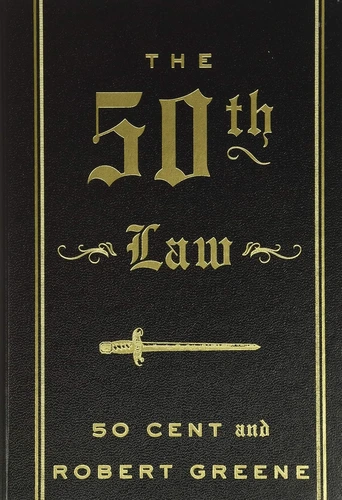
What if power is not about control—but about fearlessness?
Greene co-wrote this book with 50 Cent, and it is his most accessible work. The central idea is not manipulation. It is fearlessness. The ability to see things as they are, without wishful thinking. The ability to act without being paralyzed by what others might think. The ability to take calculated risks and absorb setbacks without losing yourself.
This matters for office politics because fear is what keeps honest people stuck. Fear of conflict. Fear of being seen as difficult. Fear of losing approval. The 50th Law is not about becoming ruthless. It is about becoming less afraid. And when you are less afraid, you stop over-apologizing, stop shrinking, stop letting others define your worth.
For anyone who knows what they should do but is too afraid to do it.
The Anatomy of Peace by The Arbinger Institute
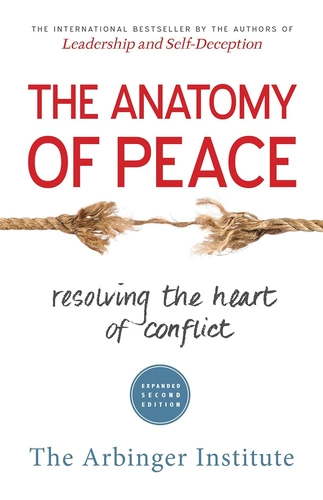
What if the real problem is not politics—but how you see people?
This is the most unusual book on this list. It is not about power. It is about the mindset that makes power struggles inevitable.
The book argues that people fall into two orientations. In one, you see others as people—with their own needs, fears, and humanity. In the other, you see them as objects—obstacles, tools, or irrelevancies. When you see people as objects, you justify almost anything. When you see them as people, manipulation becomes harder to justify.
This is relevant for office politics because the temptation is to treat the system as a battlefield and everyone else as either ally or enemy. But that mindset isolates you. The book offers a different path: see people clearly, including their self-interest, while still recognizing their humanity. You can navigate politics without losing your capacity for connection.
For anyone who wants to stay human while navigating an inhumane system.
These three books are not alternatives to The 48 Laws of Power. They are complements. Greene shows you the rules. Pierce explains the psychology behind them. 50 Cent shows you how to move without fear. The Arbinger Institute reminds you why staying human matters.
If you are tired of being the person who gets overlooked—but do not want to become the person who steps on others—start with the one that matches where you are stuck.
You do not have to choose between winning and staying yourself. You just have to redefine what winning means.