When money is tight, most financial advice can feel disconnected from reality.
Many popular recommendations assume you already have extra income: save a large percentage of your paycheck, maximize investments, or build multiple income streams. These strategies may be useful, but they can feel impossible when rent, groceries, and basic expenses already consume most of your money.
For people living with a limited income, the first step is not becoming wealthy overnight. It is understanding how money works, breaking harmful cycles, building better habits, and creating a realistic path forward.
The best personal finance books for low income readers do not start with perfection. They start with reality. They help you manage debt, improve your relationship with money, and make better decisions with the resources you already have.
In this guide, we explore five personal finance books that provide practical lessons for anyone who wants to move from financial stress toward greater stability.
Quick Answer: Best Personal Finance Books for Low Income Readers
- Best for breaking the paycheck cycle: From Debt to Wealth by Owen Pierce
- Best for building financial foundations: Get Good with Money by Tiffany Aliche
- Best for developing money habits: The Richest Man in Babylon by George S. Clason
- Best for long-term investing knowledge: The Simple Path to Wealth by JL Collins
- Best for eliminating debt: The Total Money Makeover by Dave Ramsey
1. From Debt to Wealth by Owen Pierce
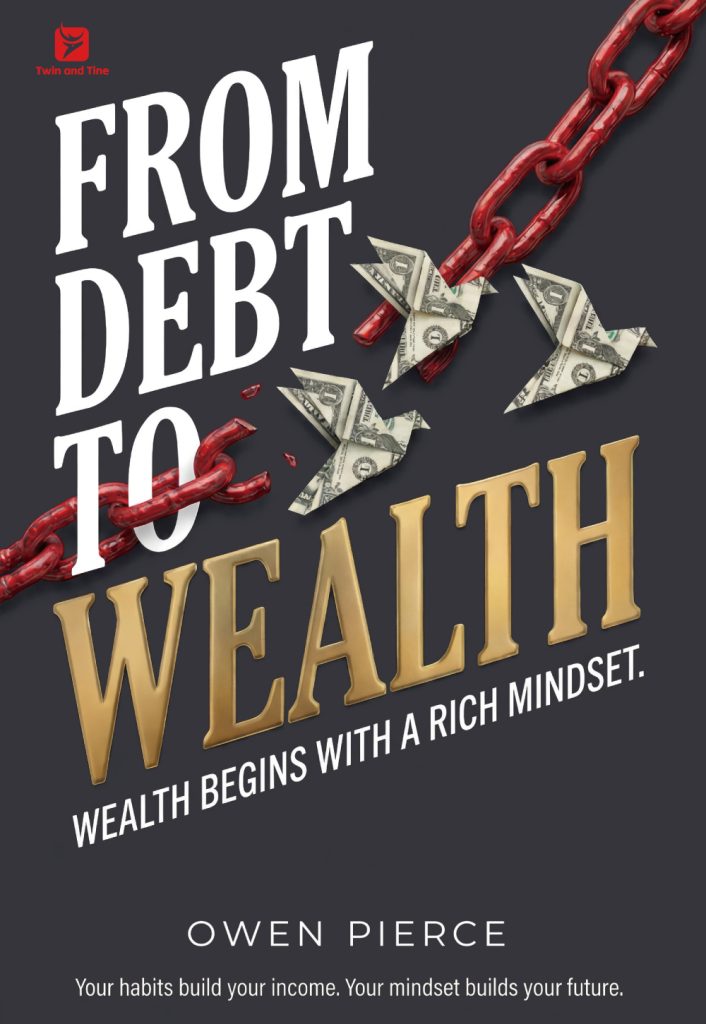
From Debt to Wealth by Owen Pierce focuses on one of the biggest challenges facing people with limited income: the cycle of debt and financial pressure.
Many financial books treat debt and income as separate problems. In reality, they often influence each other. Limited income makes debt harder to manage, while debt makes it even harder to create financial breathing room.
This book begins with an important question: why does money seem to disappear no matter how hard you work?
The answer is often not simply a lack of effort. Many people were never taught how financial systems work, how habits affect money decisions, or how small choices compound over time.
What makes this book valuable is its practical approach. It does not assume readers have extra money available. Instead, it focuses on building control step by step:
- Understanding where money goes
- Breaking the paycheck-to-paycheck cycle
- Managing debt more effectively
- Building healthier financial habits
- Learning basic wealth-building principles
For anyone who feels stuck financially and does not know where to begin, this book provides a realistic starting point.
2. Get Good with Money by Tiffany Aliche
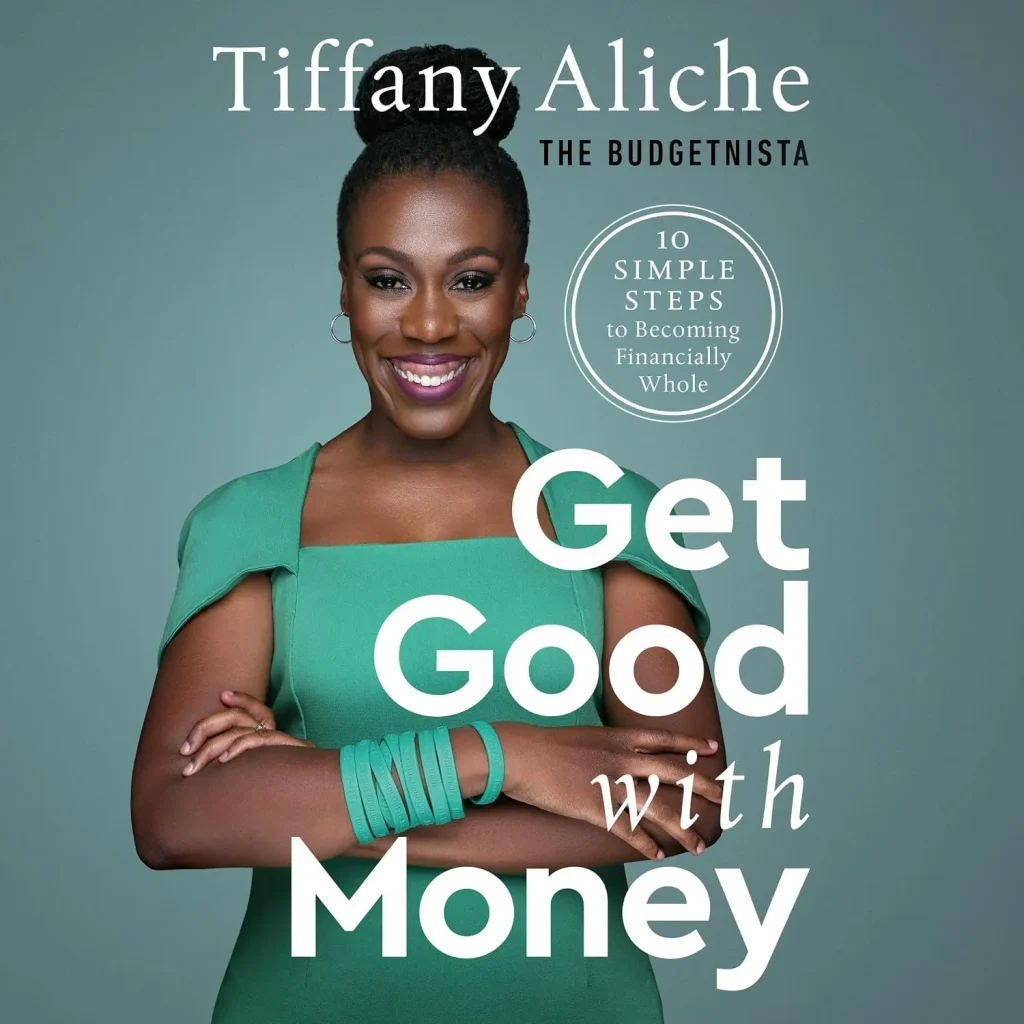
Get Good with Money by Tiffany Aliche is designed for beginners who want a complete foundation for improving their finances.
Aliche writes from personal experience. After facing financial struggles herself, she developed a practical approach to rebuilding financial stability.
The book is built around ten areas of financial health, including budgeting, saving, debt management, credit, insurance, and investing.
One of the strongest parts of this book is its supportive tone. Many people feel embarrassed about money mistakes or believe they have already fallen too far behind. Aliche focuses on progress rather than shame.
This makes the book especially helpful for readers who want guidance without complicated financial language.
Why It Works:
- Provides a complete beginner-friendly financial roadmap
- Covers multiple areas of personal finance
- Reduces anxiety around money decisions
- Encourages steady improvement
3. The Richest Man in Babylon by George S. Clason
The Richest Man in Babylon by George S. Clason is one of the classic books about building better money habits.
Unlike many modern finance books, it teaches financial principles through simple stories and lessons that are easy to remember.
The central idea is that financial improvement begins with consistent habits. Before investing or building wealth, people need to learn how to manage what they already have.
The book emphasizes ideas such as:
- Paying yourself first
- Saving consistently
- Avoiding unnecessary spending
- Making money work for you
For low-income readers, these lessons are valuable because they focus on behavior rather than income level. Building financial confidence often starts with small actions repeated over time.
4. The Simple Path to Wealth by JL Collins
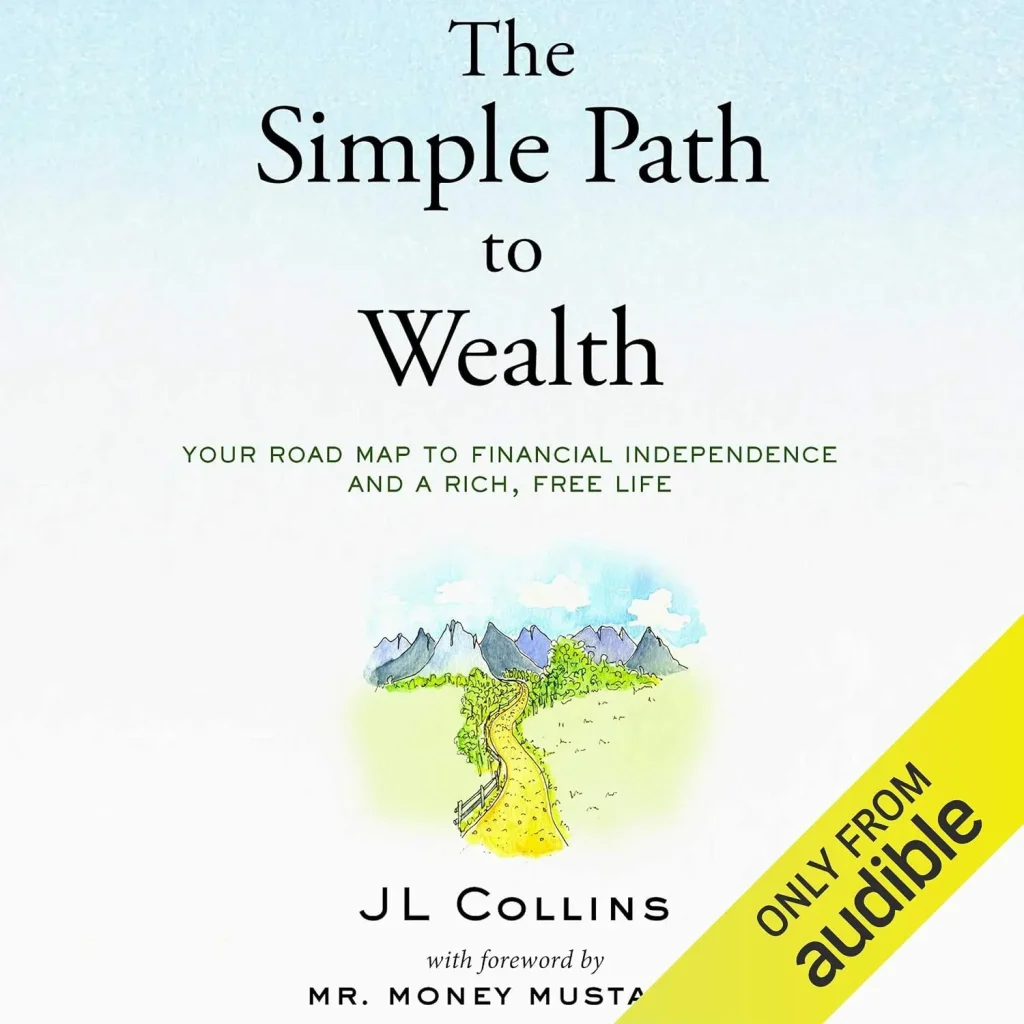
Once basic financial habits are established, the next step is understanding how long-term wealth is created.
The Simple Path to Wealth by JL Collins explains investing principles in a way that is accessible for beginners.
The book focuses on long-term thinking, financial independence, and building assets instead of only relying on income from work.
Collins explains concepts such as index fund investing, avoiding unnecessary financial complexity, and making decisions based on long-term goals rather than short-term emotions.
While investing may feel far away for people currently dealing with financial stress, understanding these principles can help readers build a better future once they have more financial stability.
Why It Works:
- Makes investing easier to understand
- Encourages long-term financial thinking
- Reduces fear around investing
- Focuses on simple strategies
5. The Total Money Makeover by Dave Ramsey
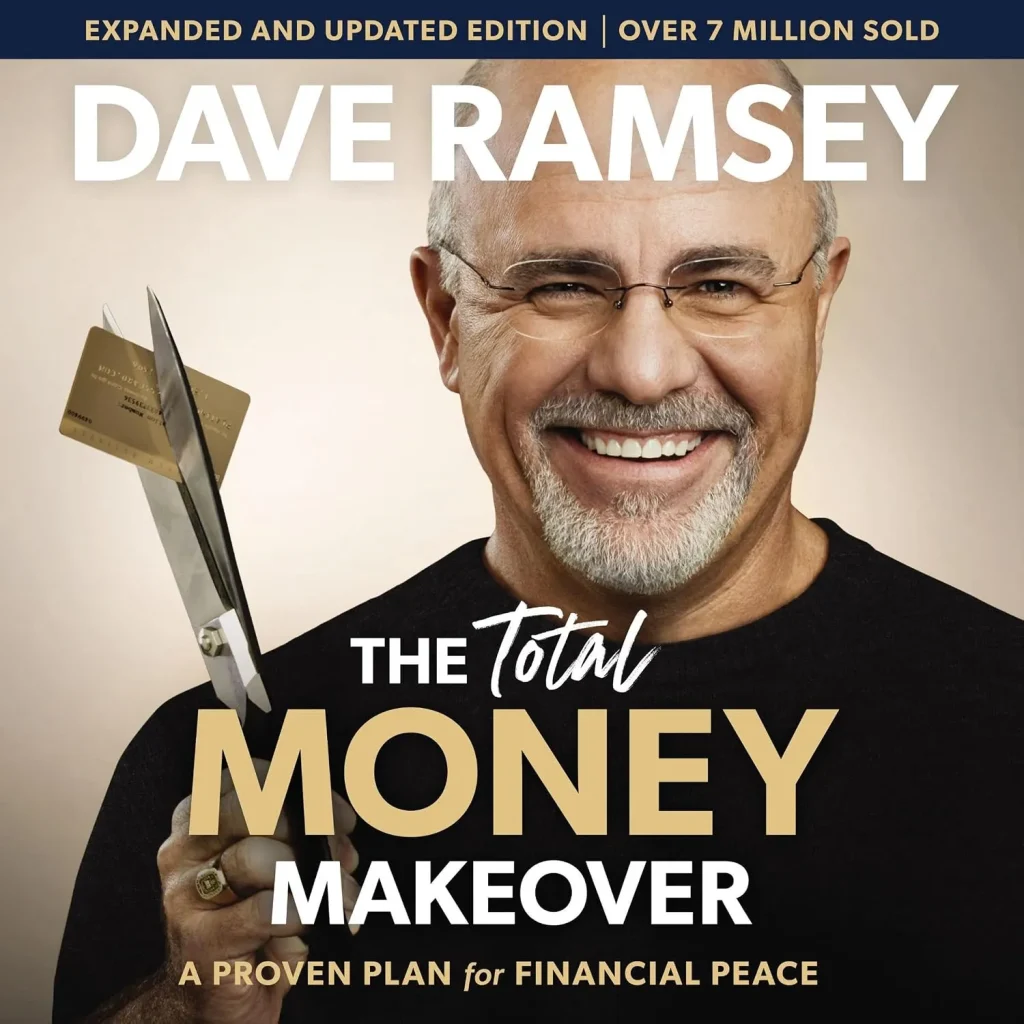
The Total Money Makeover by Dave Ramsey is one of the most recognized books for people who want a structured approach to getting out of debt.
Ramsey’s method is built around clear steps. The most famous strategy is the debt snowball, where people pay off smaller debts first to build momentum before moving toward larger balances.
The approach is straightforward:
- Create a clear financial plan
- Build a starter emergency fund
- Pay down debt step by step
- Avoid returning to old financial habits
Some readers may find the system strict, but that simplicity is also its strength. When people feel overwhelmed by debt, having a clear process can make financial progress feel possible.
How These Books Help Low Income Readers Build Financial Stability
The best personal finance books for low income readers are not about becoming rich quickly. They are about creating control.
These books help readers:
- Understand why money problems repeat
- Create healthier financial habits
- Reduce debt stress
- Make better decisions with limited resources
- Build a foundation for future growth
Financial improvement usually happens through small decisions repeated consistently. The goal is not perfection. The goal is progress.
Frequently Asked Questions
What are the best personal finance books for low income beginners?
For beginners, From Debt to Wealth, Get Good with Money, and The Richest Man in Babylon are strong starting points because they focus on financial habits, debt, and basic money principles.
Can personal finance books help if you have a low income?
Yes. While books cannot instantly change your income, they can help you understand money decisions, avoid common mistakes, and create better financial habits over time.
Should I invest if I have debt?
It depends on your personal situation. Many financial experts recommend first creating stability, managing high-interest debt, and building basic savings before focusing heavily on investing.
What is the first step to improving your finances?
The first step is understanding your current situation. Knowing where your money goes, what debts you have, and which habits affect your finances creates a foundation for change.
Final Thoughts: Building Wealth Starts With Better Decisions
Having a limited income can make financial improvement feel difficult, but the right knowledge can change the way you approach money.
The best personal finance books do not simply teach numbers. They teach awareness, discipline, and better decision-making.
Whether your first goal is escaping debt, creating a budget, improving money habits, or planning for the future, these books provide practical guidance for building a stronger financial life.