Have you ever talked to someone and felt that something was different, even though their words sounded completely normal? Maybe their tone changed slightly, their expression did not match what they said, or the conversation simply felt unusual.
Learning how to read people is not about guessing someone’s thoughts or judging everyone around you. It is about becoming more aware of emotions, communication patterns, and human behavior so you can build stronger and healthier relationships.
People communicate through many different signals. Their words, emotions, body language, personality, and past experiences all shape the way they interact with others.
The challenge is knowing where to begin. Some books focus on body language, some explore emotional intelligence, while others explain personality and social connection.
In this guide, we explore five of the best books about reading people. Together, they offer different perspectives on understanding others and improving your own social awareness.
Quick Answer: The Best Books About Reading People
- Best overall guide: How to Read Someone’s Mind by Miles Carter
- Best for building connections: The Like Switch by Jack Schafer
- Best for understanding intuition: Blink by Malcolm Gladwell
- Best for understanding emotions: Emotional Intelligence by Daniel Goleman
- Best for personality insights: Reading People by Anne Bogel
1. How to Read Someone’s Mind by Miles Carter
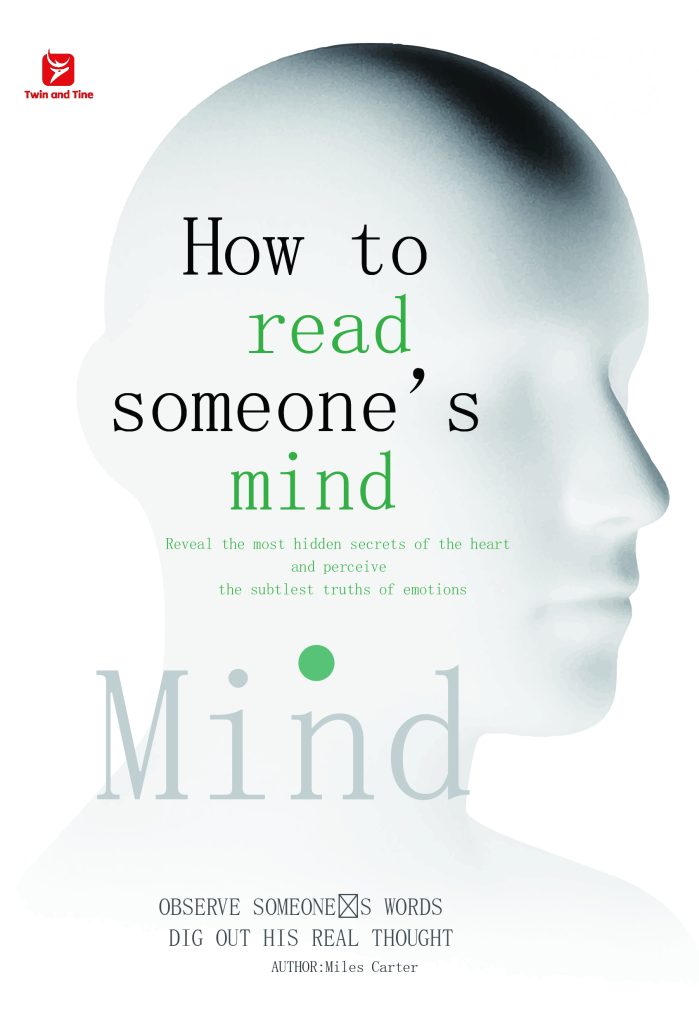
Many people have experienced moments where they sensed something was wrong but could not explain why. A friend says they are okay, a coworker seems distant, or a conversation feels uncomfortable without an obvious reason.
How to Read Someone’s Mind by Miles Carter provides a practical framework for understanding these subtle signals. Instead of treating body language as a simple collection of gestures, the book focuses on reading emotional patterns through four important areas: facial expressions, body language, voice, and context.
One of the most valuable ideas in the book is learning to observe changes from a person’s normal behavior. Everyone has their own communication style and emotional baseline. When something changes, it may reveal that something important is happening beneath the surface.
This approach helps readers move away from constantly guessing what others think. Instead of focusing on one small gesture, you learn to look at the complete situation and understand the person as a whole.
For anyone who wants to improve emotional awareness, communication skills, and understanding of human behavior, this book provides a strong foundation.
2. The Like Switch by Jack Schafer
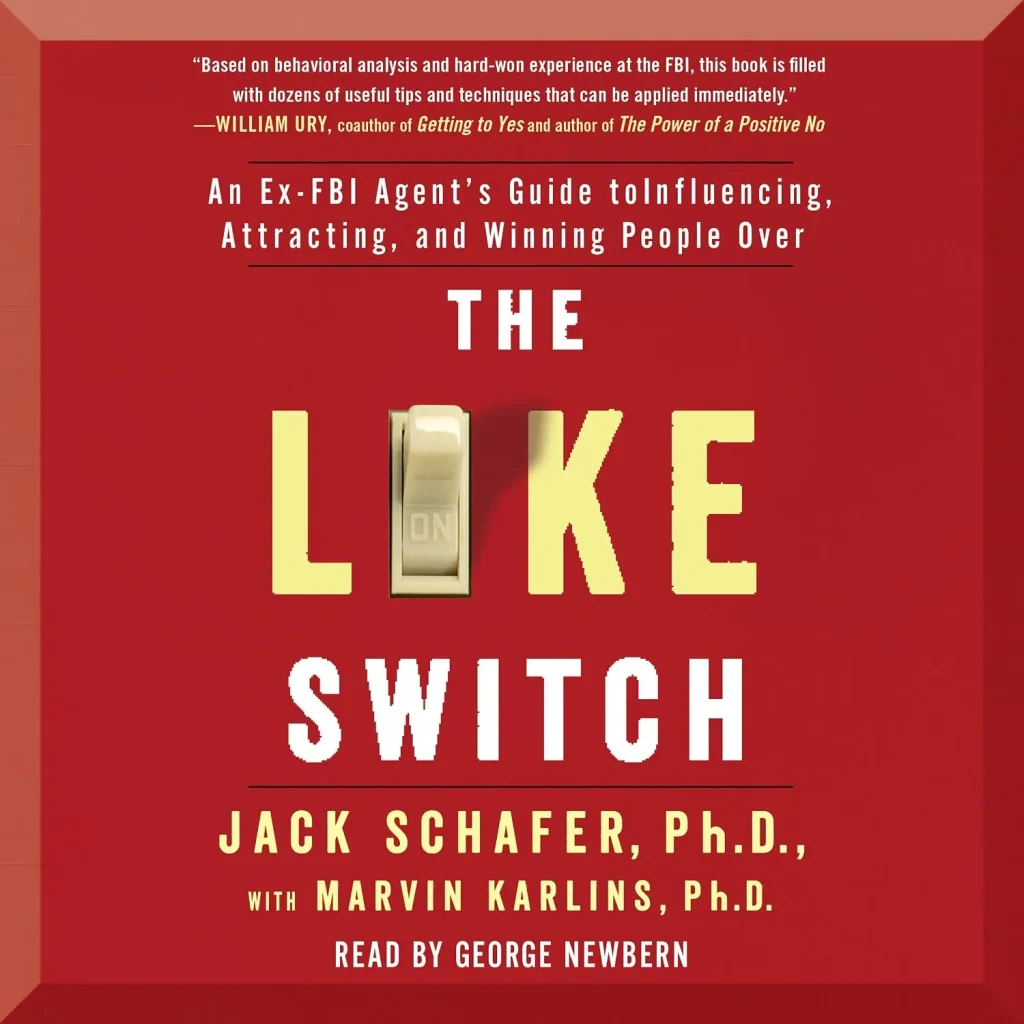
Understanding people is not only about noticing emotions. It is also about creating better connections.
The Like Switch by Jack Schafer explores the psychology behind building trust, creating positive impressions, and developing stronger social relationships.
Schafer, a former FBI behavioral analyst, explains how small behaviors influence whether people feel comfortable and connected with us. The book explores topics such as nonverbal communication, listening, social signals, and relationship-building.
One of the most useful lessons is that meaningful connections are usually built through small, consistent actions. Showing genuine interest, paying attention, and making people feel valued can dramatically change the quality of our interactions.
This book is especially helpful for people who want to improve friendships, workplace relationships, and everyday communication.
3. Blink by Malcolm Gladwell
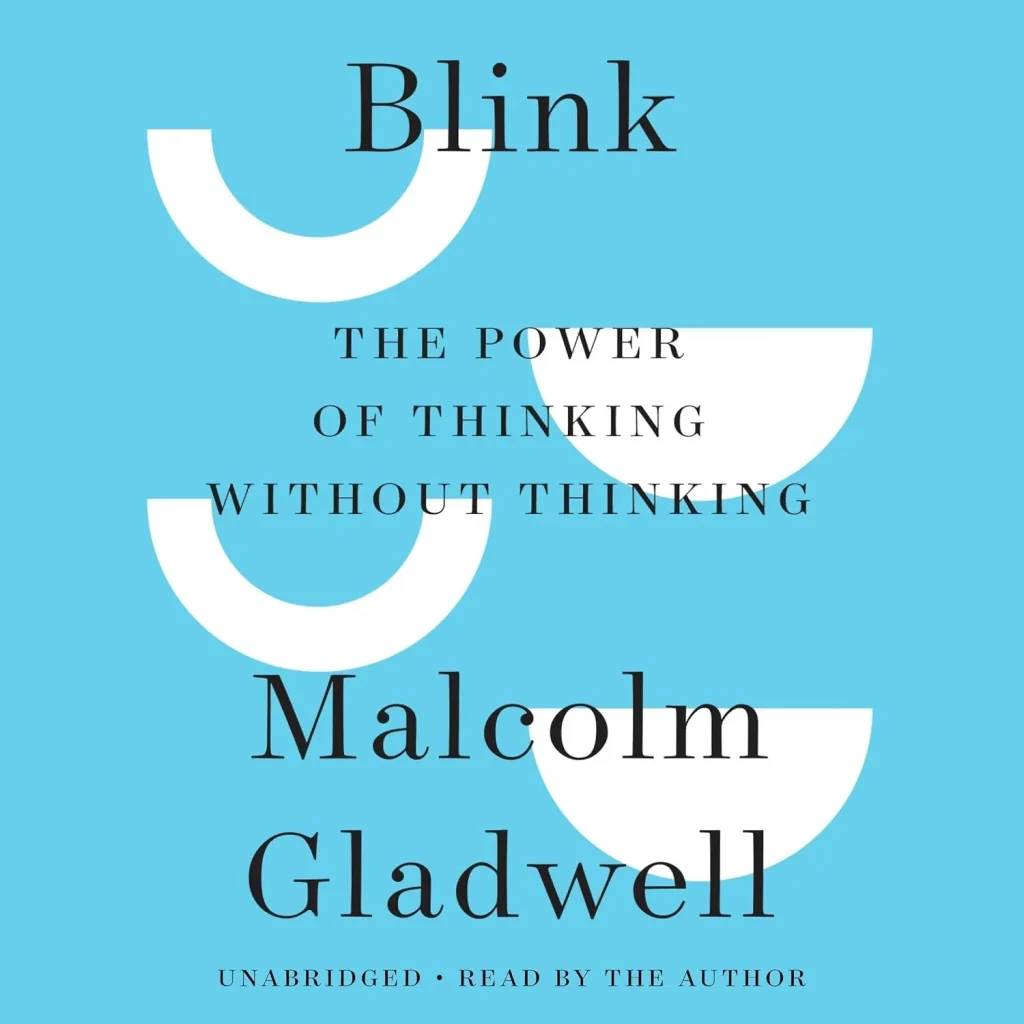
Sometimes we form impressions of people within seconds. We may immediately feel comfortable with someone or sense that something feels unusual before we can explain why.
Blink by Malcolm Gladwell explores the power of intuition and how the human brain makes rapid judgments based on limited information.
The book introduces the idea of “thin-slicing,” which describes how people can recognize patterns quickly from small amounts of information.
However, Gladwell also explains that intuition is not always correct. Personal experiences, assumptions, and biases can influence the way we interpret others.
This makes Blink valuable because it teaches balance. Sometimes our instincts provide useful information, but sometimes we need to slow down and examine our thinking more carefully.
4. Emotional Intelligence by Daniel Goleman
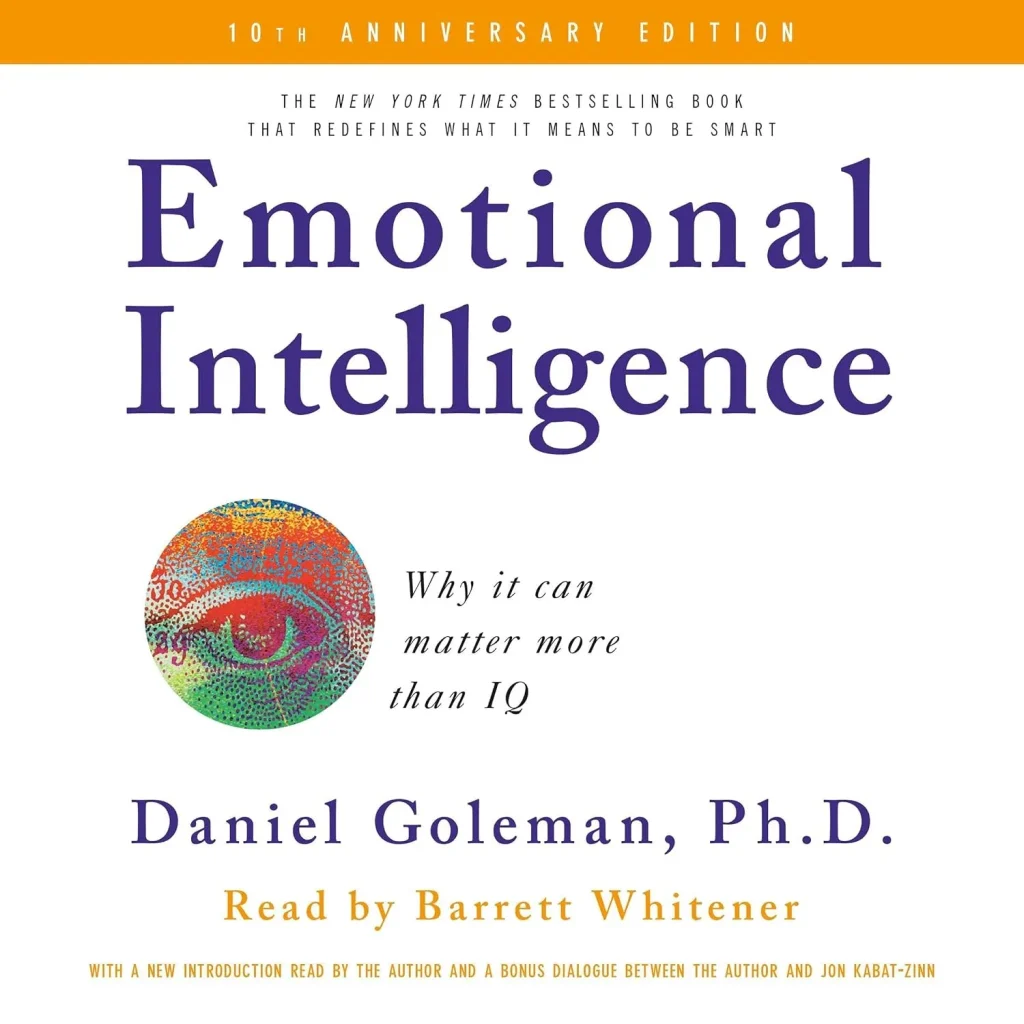
Understanding people begins with understanding emotions.
Emotional Intelligence by Daniel Goleman explains why emotional awareness plays such an important role in relationships, communication, and personal growth.
The book explores important skills such as recognizing emotions, managing reactions, understanding other people’s feelings, and building stronger connections.
Many misunderstandings happen because people react emotionally without fully understanding what they are feeling. Developing emotional intelligence helps us communicate with more patience and empathy.
For anyone who wants to become more emotionally mature and improve relationships, this book offers a powerful foundation.
5. Reading People by Anne Bogel
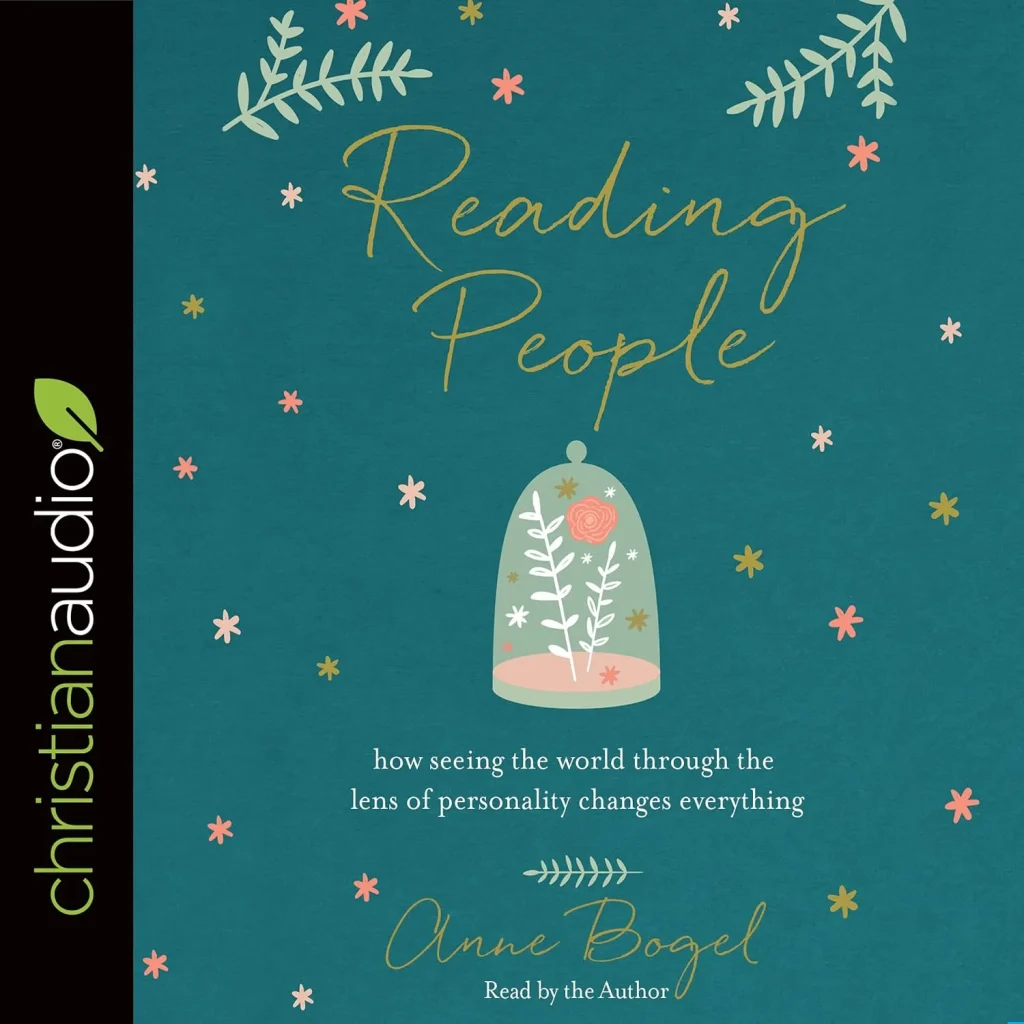
People are different not only because of their emotions but also because of their personalities, preferences, and ways of thinking.
Reading People by Anne Bogel explores different personality frameworks, including the Enneagram, Myers-Briggs, and the Big Five.
The purpose of these frameworks is not to put people into fixed categories. Instead, they provide different ways to understand why people may communicate, make decisions, and approach relationships differently.
The book presents personality psychology in an approachable way, making it easier for readers to apply these ideas in everyday conversations.
If you enjoy learning about personality differences and want to improve how you communicate with others, this book is a useful starting point.
How These Books Help You Understand People Better
The best books about reading people are not about becoming suspicious or analyzing every person you meet.
Their real value is helping you become more aware of human behavior and create better connections.
- Understand emotions behind people’s actions.
- Communicate with more empathy and awareness.
- Recognize different personality patterns.
- Build stronger relationships at work and in daily life.
- Develop greater social confidence.
When you understand people better, conversations become easier and relationships become more meaningful.
Frequently Asked Questions
Can you really learn how to read people?
Yes. Reading people is not about knowing exactly what someone thinks. It is about developing awareness of emotions, communication patterns, and behaviors so you can understand situations more clearly.
What is the best book for learning to understand people?
How to Read Someone’s Mind by Miles Carter is a practical starting point because it combines emotional signals, body language, and context. Other books explore different areas such as connection, intuition, emotions, and personality.
Are books about reading people useful for relationships?
Yes. Understanding emotions and communication styles can reduce misunderstandings and help people build healthier connections.
Is body language enough to understand someone?
No. Body language is only one part of communication. A person’s words, emotions, personality, and situation all provide important context.
Final Thoughts: Understanding Others Starts With Awareness
Learning how to read people is ultimately about becoming a better observer and a better communicator.
The goal is not to judge others or search for hidden problems. It is to understand human behavior with more patience, empathy, and emotional maturity.
These five books provide different tools for developing social intelligence. Whether you want to improve relationships, communicate better at work, or simply understand people more clearly, they offer valuable perspectives on human connection.