For a long time, I couldn’t stand being alone.
Something about it felt terrifying. No one to talk to. The phone sat there, silent and useless. Just the clock ticking in the room. And then the voices would rise—the messy thoughts, the unfinished tasks, the things I should have said differently, all the embarrassment and regret from the day, amplified by the quiet. I’d rather leave the TV on for background noise. I’d rather scroll through meaningless feeds. Anything but sit down and spend a moment with myself.
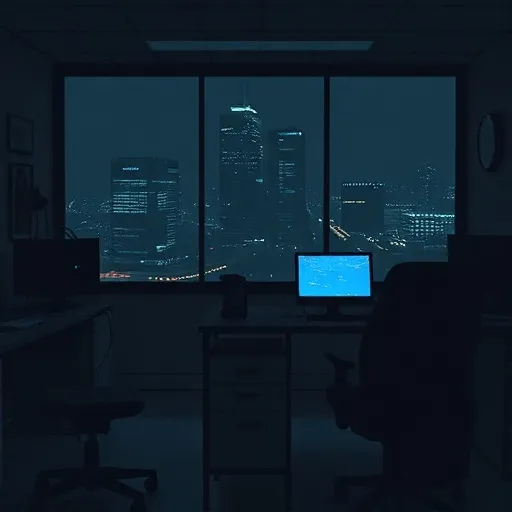
One night, I worked late. With everyone gone, the entire floor was empty. I didn’t rush to leave. I just sat at my desk and stared at nothing. No phone. No music. No one to talk to. Just sat there. At first, it was deeply uncomfortable. Like a hundred ants crawling under my skin. But slowly, that restlessness receded. I heard the hum of the air conditioner outside. A car passing by now and then. My own breathing. Slow. Steady. There the whole time. Something I’d always ignored but that had never left.
For the longest time, I thought solitude was loneliness. A fancy word for being unwanted. But it wasn’t until that moment that I truly understood. Solitude isn’t endured; it’s chosen. It’s a way of coming home to yourself. Closing the door isn’t about shutting the world out. It’s aboutreclaiming yourself
The pieces you lose in crowds—worn down by others’ opinions and buried under busyness—are gradually picked back up when you’re alone. You don’t need to talk, explain, or manage anyone else’s mood. You can stare at the ceiling. You can cry. You can simply be.
Solitude is how I heal. Not because I dislike people. But because only when I’m alone can I hear what I actually need. And hearing yourself—that’s where all healing starts.