Is crying a way to regulate emotions? I used to think that question belonged to other people. Therapists. Podcast hosts. People with tidy linen closets and slow mornings. Then my partner lost his job on a Tuesday, and I found myself sobbing in the driver’s seat of a parked car with a half-eaten granola bar in my hand. Not a delicate single tear. The ugly kind.
Here is what surprised me. Ten minutes later I could think again. Not clearly, exactly. More like the static had dropped to a hum. I drove home and made dinner. That night I started wondering what tears actually do inside a body, and why I spend so much energy holding them back.
Quick Answer: Is crying a way to regulate emotions?
Yes. Crying helps your body finish what it started. It releases tension, lowers stress, and brings you back to a place where you can think again. Holding it in costs more than letting it out.
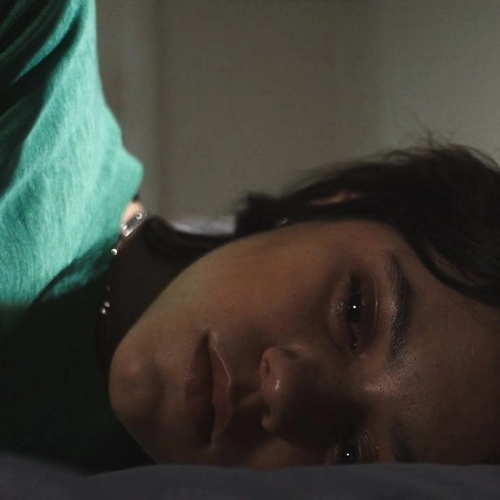
What Are Tears Actually Doing?
Most of us grow up with a simple story. Crying means something is wrong. Crying means you lost control. So we learn to swallow it, blink hard, change the subject.
But watch a person cry who is not performing for anyone. Watch a friend after a hard phone call. The shoulders drop. The jaw loosens. The breath comes back. Something was stuck, and the crying moved it.
My sister, who has four kids and zero patience for vague advice, put it simply. She said, have you ever held in a sneeze for an hour? Same thing. Your body wants to finish what it started.
That image stayed with me. A sneeze is not a weakness. It is a completion.
Why Does Holding It In Cost So Much?
I tested this on myself for a month. Every time I felt the tightness behind my eyes, I asked one question. Am I holding this for a reason, or out of habit?
Eight times out of ten, it was habit. I was in a meeting. I was on the phone with my mother. I was standing in a grocery aisle.
And each time I swallowed it, I paid a small tax. I snapped at the cashier. I replayed an old argument at midnight. The feeling did not leave. It just moved to a different room in my head.
There is a well-known book by Dr. William Frey, Crying: The Mystery of Tears, where he looked at the chemistry of emotional tears. His finding, in plain terms, is that tears shed for feelings carry stress-related substances out of the body. I am not a scientist. I only know what I felt. But the two things line up in a way that made me stop apologizing for crying in front of my own family.
The Two-Minute Pause
I did not want a system. I wanted something I could do in a parking lot.
So I made up a small ritual. I call it the Two-Minute Pause. It is almost embarrassingly simple.
Notice the pressure. Behind the eyes, in the throat, under the ribs. Wherever it lives for you.
Say one quiet sentence. Out loud, or in your head. This is allowed for two minutes.
Let it happen. No phone. No fixing. Two minutes on a timer if you need permission to stop.
Blow your nose. Drink water. Move on. That last step matters more than it sounds. Without a clear ending, the pause turns into a puddle. My first week, I skipped the water and the nose-blowing, and I walked around raw for hours. The ending is part of the ritual.
When It Happens in Front of Someone
The first time I used the Two-Minute Pause in front of my partner, I almost chickened out. We were in the kitchen. I had burned the rice. The rice was not the point.
I said, I need two minutes. It is not about you. Then I sat on the back step and cried.
He did something smart. He did not follow me. He did not ask if I was okay. He finished the rice, badly, and put a glass of water on the step next to me. When I came back in, he said, that was quick.
I laughed. First real laugh of the week.
The sentence it is not about you has done more for my relationship than any long conversation. It gives the other person a job. Their job is to wait. Mine is to finish the sneeze.

What If the Tears Never Come?
Some people cannot cry on command, and that is fine. I have a friend who says her tears dried up in her thirties and never came back. She regulates in other ways. Long showers. Loud music in the car. A hard walk up a hill.
Crying is one door. It is not the only door. If yours is stuck, try the door next to it. The point is to let the feeling finish, not to force a specific ending.
FAQ
Is crying healthy?
Yes. Crying is a normal, healthy way for the body to release tension and stress. It is not a sign of weakness.
Why do I feel better after crying?
Because crying helps your body process the emotion and return to a calmer state. It is a completion, not a failure.
What if I cannot cry even when I want to?
That is common. Some people have learned to suppress tears over years. Try other physical releases. A long shower. A hard walk. Loud music. The point is to let the feeling move.
Should I cry in front of other people?
Only if you feel safe. You can also say, I need two minutes, and step away. That gives the other person a job and gives you space.
How do I stop feeling embarrassed about crying?
Start by allowing it in private. Say to yourself, this is allowed. The more you practice, the less shame attaches to it.
A Closing Thought
I still cry in the car sometimes. Same car. Different year. The granola bar is usually gone by then. If you are reading this with that tightness behind your eyes, and you are wondering whether it counts, whether it is allowed, whether it does anything at all, I hope you give it two minutes. Just two. Then drink some water.
References
- Frey, William H. Crying: The Mystery of Tears. Winston Press, 1985.
- Vingerhoets, Ad. Why Only Humans Weep: Unravelling the Mysteries of Tears. Oxford University Press, 2013.
- American Psychological Association. “Stress Effects on the Body.” APA.org.