I used to think I was just being careful. I would replay conversations in my head, analyzing every word I said and every reaction I picked up on. I told myself this was self-awareness. I told myself it made me a better person, a more considerate friend, a more thoughtful partner.
It took me years to realize I was wrong.
I wasn’t being careful. I was slowly poisoning my own peace of mind. And I see so many people doing the same thing, every single day. They call it being prepared. They call it being responsible. They call it being realistic. But underneath all those nice labels, there is a quiet pattern of self-destruction that goes unnoticed until the damage is done.
Let me show you what I mean.
The Problem: You’ve Been Trained to Be Your Own Worst Critic
Here is the uncomfortable truth. Most of us have a voice inside our heads that sounds reasonable. It sounds like a concerned parent, a wise advisor, or a practical friend. It says things like “You should have done better” and “Be careful, people are watching” and “Don’t mess this up.”
But that voice is not your friend. It is a habit. It is a habit — a deeply ingrained habit of self-protection that has turned into self-sabotage.
Think about it. When was the last time you genuinely felt proud of yourself without immediately thinking of something you could have done differently? When was the last time you accepted a compliment without deflecting it? When was the last time you made a mistake and let it go within an hour?
For most of us, that almost never happens. That’s because we’ve built a mental environment where criticism is the default and kindness is the exception. And the worst part is, we think this is normal. We think this is how successful people think. We think this is how we stay sharp, stay humble, stay safe.
It is not. It is a slow drain on your mental health. And the habits that create this drain are so ordinary, so everyday, that you probably don’t even notice them.
Let me walk you through three of them. The ones that hurt the most, and the ones you can actually do something about.

Three Practice Points to Stop the Drain
1. The Mental Replay Button: Stop Watching Your Own Highlight Reel
Here is a habit I had for years. After any social interaction, I would replay it. Not just the big moments. I would replay the small things. The pause I took before answering. The joke that got a lukewarm laugh. The way I said goodbye.
I would dissect every detail like a film critic picking apart a bad movie. And I would always find something to criticize.
Why do we do this? Because we think it helps us improve. We think if we catch our mistakes, we won’t repeat them. But here is what actually happens. The more you replay, the more you magnify. The small awkward pause becomes a massive failure. The lukewarm laugh becomes evidence that people don’t like you. The goodbye becomes proof that you are socially awkward.
This is not self-improvement. This is self-torture.
What I learned to do instead was simple. After an interaction, I would give myself exactly one minute to think about it. One minute. Then I would shake my head, take a deep breath, and say out loud: “It’s done. I did my best with what I knew then.”
That last part matters. “With what I knew then.” You cannot judge your past self with information you only have now. That is unfair. That is cruel. And it is the core of this habit.
The action: Next time you catch yourself replaying a conversation, set a timer for 60 seconds. Let yourself analyze. Then stop. Physically move your body. Get up, walk to another room, touch a wall. Break the mental loop with a physical action. Your brain will get the message.
2. The Future Worry Machine: Stop Borrowing Problems From Tomorrow
I used to think worrying was the same as preparing. I would lie in bed at night and run through every possible scenario for tomorrow’s meeting. What if they ask this? What if I forget that? What if I look stupid?
I thought I was being proactive. I was actually building anxiety.
Here is the thing about future-focused worry. It never solves anything. It only creates fear about things that haven’t happened yet. And most of the time, those things never happen. Or if they do, they happen differently than you imagined. So you have spent hours, days, even weeks of mental energy on problems that never existed.
I call this borrowing problems from tomorrow. And the interest rate is your peace of mind.
What changed for me was a simple rule I started following. I call it the 24-hour rule. If a problem is more than 24 hours away, I don’t let myself worry about it. I write it down on a piece of paper. I put it in a drawer. And I tell myself: “I will open this drawer when the problem is 24 hours away. Not before.”
It sounds ridiculous. It sounds too simple. But try it. You will be shocked at how many of your worries disappear when you push them to a specific time. Most of them never come back. You forget about them. Because they were never real problems. They were just your brain’s attempt to feel in control.
The action: Get a small box or drawer. Every time you catch yourself worrying about something more than a day away, write it on a scrap of paper and put it in the box. Close the drawer. Tell yourself you will open it at the appropriate time. Then walk away. Your brain will learn that worry has a time and a place. And that place is not everywhere.
3. The Comparison Trap: Stop Measuring Your Insides Against Other People’s Outsides
This one is the hardest. Because it is everywhere. Social media. Work meetings. Family gatherings. Even just walking down the street.
You see someone who seems happier, more successful, more put together. And immediately, you feel small. You feel like you are behind. You feel like you are not enough.
But here is what you do not see. You do not see their 3 AM panic attacks. You do not see the fights they have with their partner. And you definitely don’t see the debt they’re hiding or the insecurity they’re masking. You only see what they want you to see.
And you are comparing that curated image to your own messy, complicated, real life. Of course you feel inadequate. The comparison is rigged from the start.
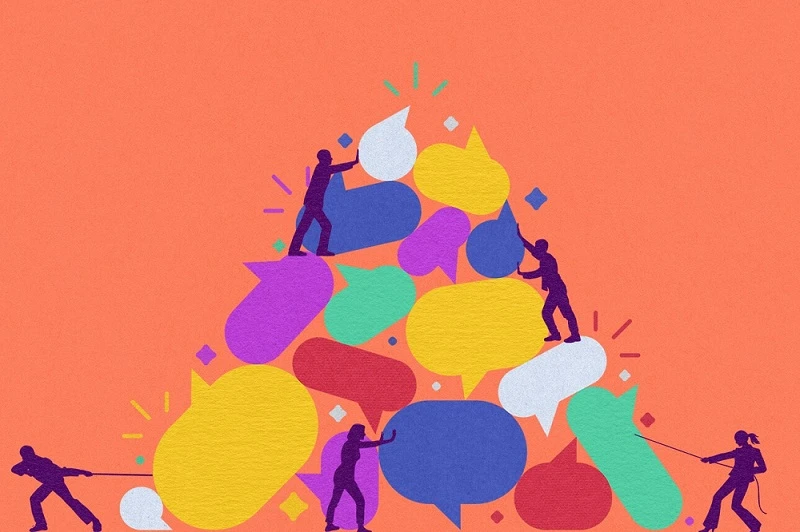
I used to think comparison was a motivator. I thought it pushed me to work harder. But it never did. It just made me feel tired and bitter. It drained my energy instead of fueling it.
What works instead is a different kind of comparison. Compare yourself to yourself. Compare who you were six months ago to who you are today. Compare your own progress, your own growth, your own small wins. That is the only comparison that matters.
The action: Every Sunday evening, write down three things you did this week that you could not have done six months ago. They can be small — for example: you had a difficult conversation; you finished a task you were avoiding; you said no to something that drained you. These are your real wins. They have nothing to do with anyone else. And they are the only things that count.
Ending: You Are Not Broken. You Are Just Practicing the Wrong Thing
I want to be clear about something. You are not weak. You are not broken. You are not defective because you have these habits. You are human. And these habits are not your fault. They are learned. They were taught to you by a world that rewards overthinking, constant vigilance, and self-criticism.
But here is the good news. If they are learned, they can be unlearned.
You do not need to become a completely different person overnight. You do not need to be perfectly calm and never worry again. That is not realistic. That is not human. What you need is to start noticing. To catch yourself in the act. To gently, patiently redirect your attention away from the habits that drain you and toward the habits that feed you.
The shift I want you to make today is simple. Stop treating your mind like a problem to be fixed. Start treating it like a garden to be tended. But you can pull one weed today, and another tomorrow. And slowly, over time, the garden will change.
You are not a broken person who needs to be repaired. You are a person who has been practicing the wrong habits. And you can practice new ones.