Have you ever ended a day feeling exhausted, only to realize you didn’t actually move anything important forward?
You answered emails.
Organized files.
Cleared notifications.
Maybe even attended three meetings.
Yet the thing that truly mattered is still sitting there.
The strange part is that this isn’t usually a productivity problem.
It’s often an avoidance problem.
Method 1: Separate Motion from Action
This is a distinction that many people overlook.
What is motion?
Motion looks like work but does not necessarily produce tangible results. Common examples:
- Spending 2 hours researching which productivity app is better without completing any specific task
- Reorganizing your desk or color-coding your calendar while your actual work remains unchanged
- Answering non-urgent emails — just emptying the inbox instead of moving a core project forward
What is action?
Action tends to produce tangible results. Common examples:
- Writing the first paragraph of your report
- Completing the core section of a client proposal
- Having a difficult conversation that unblocks a long‑stuck issue
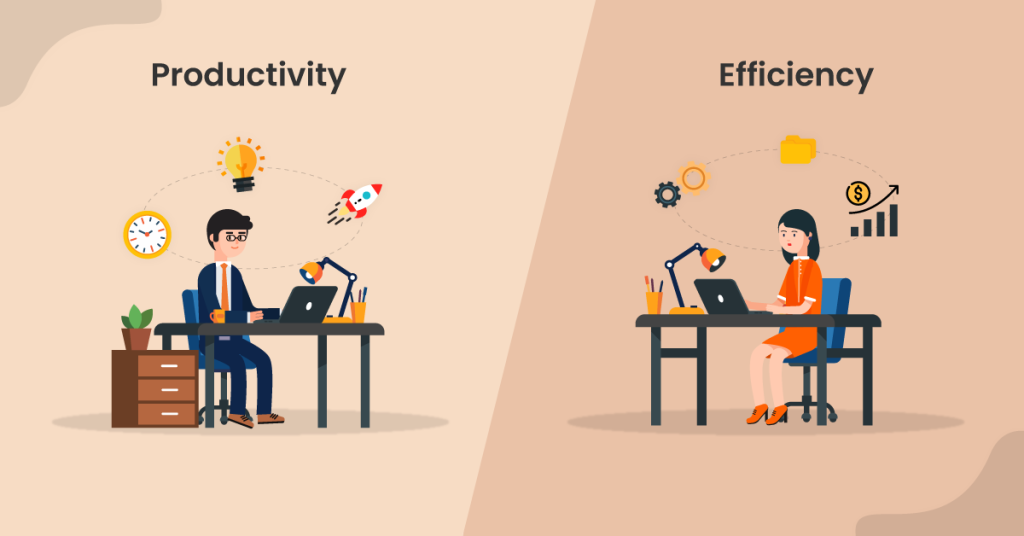
Why do people confuse them?
One possible reason is that our brains prefer low‑risk comfort. Motion rarely leads to negative consequences, but action may bring the pressure of judgment, revision, or even rejection. So on an unconscious level, people may spend time on motion without realizing it.
How to practice?
Ask yourself one question before any task: After this, will I have a specific, visible result?
Yes → closer to action
No → closer to motion
Do a brief daily review and adjust the ratio for the next day. People who are genuinely productive tend to be more honest about this distinction.
Method 2: Identify a Small Number of Critical Actions
The Pareto Principle points to a common pattern: most results often come from a relatively small proportion of actions.
A common tendency
People often spend time on easy, visible, low-pressure tasks because they provide instant satisfaction. Then they find themselves wondering: I am so busy — why am I not making more progress?
Examples:
A salesperson making 50 cold calls a day looks busy, but nurturing a few key client relationships may be more likely to drive results
A writer spending 2 hours on formatting and finding images would be better off completing the core outline of the next chapter
A manager attending multiple routine meetings might be better off removing the team’s biggest bottleneck

How to find critical actions?
Ask yourself a few questions every Monday:
- If I could only do one thing this week, which one would create the greatest impact?
- After doing that, which other tasks would become easier or less necessary?
- Looking back at the past few weeks, which actions actually created value?
Write down the answer. That is your real priorities.
How to execute?
Put these critical actions earlier in your day. Use your higher-energy morning hours to focus on them. Put your phone on silent. Avoid checking messages. Before this task is complete, try to minimize activities that fall into the “motion” category.
You might think: “But I have so many small tasks.” Fair enough. But small tasks do not necessarily have to come first. Focus on critical actions first, then batch-process the small tasks — not the other way around.
Productivity does not necessarily mean doing more. It may mean having the discipline to prioritize a few important things.
Summary
Busyness often means you lack time. Productivity is more about getting meaningful results.
Two methods worth practicing regularly:
- Separate motion from action — reduce the chance of fooling yourself
- Identify a small number of critical actions — avoid spreading your energy too thin
From today, try doing less of what looks like hard work and more of what creates outcomes.