I used to be a serial procrastinator. I would stare at a blank screen for hours, telling myself “I’ll do it tomorrow.” I watched my to-do list pile up, and the guilt inside me grew heavier and heavier. I tried complicated productivity systems, fancy apps, even self-help books that promised “miraculous” solutions. Nothing worked.
Then I stumbled upon a game-changing tip from Oprah, the world-famous media mogul, on how she deals with procrastination. I also learned about how bestselling author Stephen King overcame creative procrastination. That was when I understood: procrastination is not unbeatable. It’s not a character flaw. It’s not laziness. It’s just a habit that can be broken with practical methods.
Almost every method I eventually used came from these two people’s experiences. I tailored their methods to my own life. They were simple and easy to do. Today, I’m sharing them openly with anyone who struggles with procrastination just like I used to.
Stop Chasing Perfection
The biggest mistake I made—and one I see so many others make—is waiting for the “perfect moment” to start. I would put off writing an article because I thought my first draft had to be flawless. I would put off cleaning my workspace because I felt like I didn’t have the bandwidth to do it properly.
Everything changed when I learned about Stephen King’s writing habits. This is the author of The Shawshank Redemption and The Shining. He never chases perfection in his first drafts. He has even admitted that his first drafts are “mostly garbage.” In interviews, King has said that he writes 2,000 words every single day, no matter what. Whether he feels inspired or not. Whether he’s in a good mood or a bad mood. Even if the sentences come out messy and disorganized, he never stops. He believes that perfection is never there at the beginning. It takes shape slowly through revision and polishing. Instead of obsessing over “messing it up,” he takes the first step and accepts a “good enough” start.
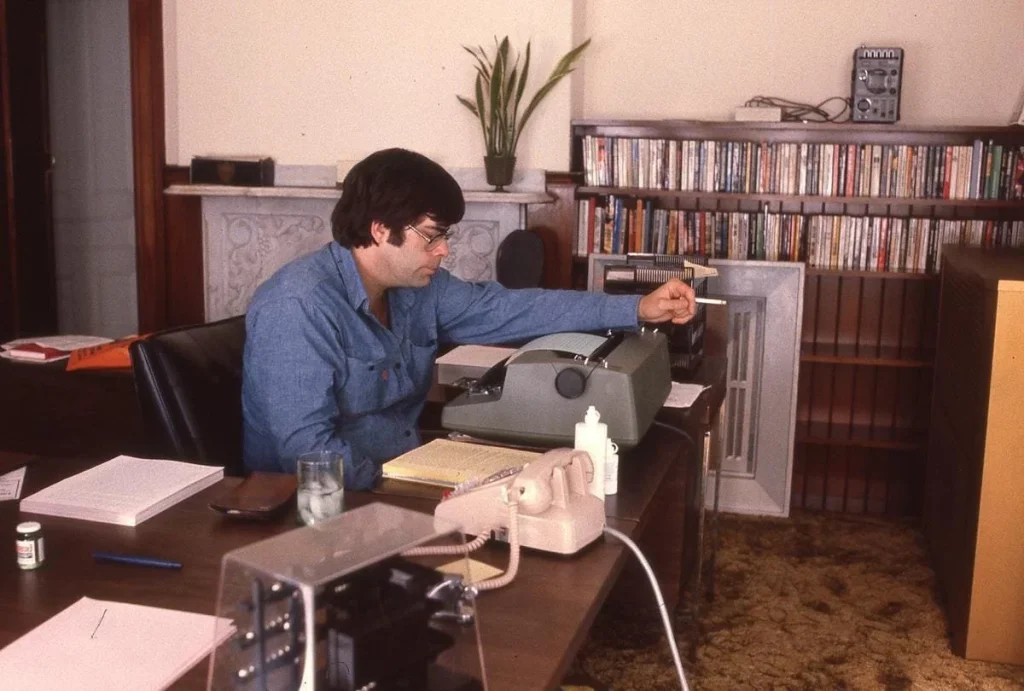
I was deeply inspired. I started doing the same thing. I stopped forcing myself to write perfect content from the start. Instead, I just wrote down whatever came to mind. Even if the sentences were all over the place. Even if the ideas weren’t fleshed out. As long as they landed on the page, that was progress. After finishing the “first version,” I would revise and improve it slowly. That turned out to be far more efficient than endless delays and never starting at all. Procrastination, at its core, is often our fear of failure. We’re afraid of not doing well enough, so we choose not to do anything at all. But Stephen King’s experience taught me:
“Done” is always better than “perfect.” Once you start, you’ve already beaten 80% of procrastinators.
5-Minute Start
The other method that completely helped me break procrastination came from Oprah’s time management techniques. I adapted her approach to my own situation and came up with the “5-Minute Start.” It’s so simple that there’s almost no barrier to doing it. But it quickly breaks the inertia of procrastination.
Before, whenever I faced a tedious task, like clearing out a mountain of emails or writing a long report, I would instinctively avoid it. I would think, “This task is too big. I have no idea where to start.”

Then one time, I heard Oprah share her trick for dealing with “fear-based procrastination” in an interview. She never forces herself to complete a huge task all at once. Instead, she breaks it down into “small, quickly doable pieces.” She starts by spending just five minutes on the most basic part, just to get herself moving.
Inspired by her, I started telling myself: “I’ll only do five minutes. After five minutes, I can stop if I want to.” That one simple sentence completely changed me. I would set a five-minute timer and throw myself into the task. No scrolling through my phone. No daydreaming. Just focused on those five minutes. And here’s the amazing thing: most of the time, when the five minutes were up, I was already in work mode. I would naturally keep going. Even on the rare days when I didn’t want to continue, those five minutes weren’t wasted. I had still made progress. The task was no longer untouched.
The core of this method is lowering the barrier to action. It removes the fear of “huge tasks.” And that, as it turns out, has been one of Oprah’s keys to staying productive for so many years. Whether it’s work, studying, or small tasks in daily life like cleaning a room or working out, you can use this method to get started. Over time, you’ll notice the inertia of procrastination slowly disappearing.
I used just these two methods. It took me three months to completely break my procrastination habit. I became someone who acts now. I no longer feel trapped by guilt and anxiety. I have more time to do the things I actually enjoy. Work and life have both become easier and more efficient.
I’m honestly grateful that I accidentally came across how these two people deal with procrastination. No complicated theories. No obscure principles. Just simple, practical methods that actually work. Remember: procrastination is not unbeatable. It’s just a habit that can be changed. You don’t need complex tools. You don’t need superhuman willpower. Just do what Oprah and Stephen King do: start with “good enough.” Use the five-minute start. Break tasks down. Accept occasional imperfection. Stick with it slowly. You will break free from procrastination. And you will take back control of your time and your life.