You have probably done it.
Told yourself you were fine when you were not. Convinced yourself a relationship was working when it was not. Believed you deserved that promotion—even though you knew you had not put in the work.
Self-deception is not weakness. It is a survival mechanism. The brain protects us from uncomfortable truths by rewriting reality. But that protection comes at a cost. The three books below explain why we do it—and how to stop.
Awakening to Human Nature by Owen Pierce
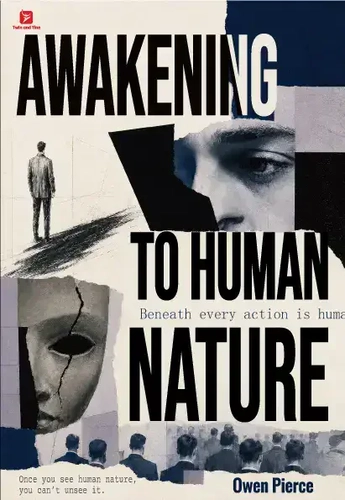
Think about the last time you made a mistake. Did you own it immediately, or did you find a way to explain it away?
Pierce argues that self‑deception is one of the most dangerous forces in human life. We are wired to protect our self‑image. We twist facts. We rewrite memories. We tell ourselves stories that make us look good—even when the evidence says otherwise.
“The most dangerous lies are the ones you tell yourself. Because you believe them.”
The book shows how self‑deception shows up everywhere: in relationships, at work, in the way we spend money. It teaches you to catch your own blind spots by questioning your motives and noticing when your emotions do not match your story. It is uncomfortable work—but it is the only way to see clearly.
For anyone who has ever wondered why they keep making the same mistakes and blaming everyone else.
Mistakes Were Made (But Not by Me) by Carol Tavris and Elliot Aronson
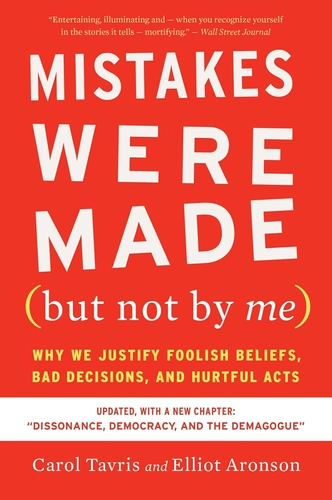
Why do smart, well‑intentioned people do foolish things and then refuse to admit it?
The answer: cognitive dissonance. When our actions do not match our beliefs, our brain feels uncomfortable. To relieve that discomfort, we change the story. We justify. We blame. We rewrite history.
“The brain is not a truth‑seeking device. It is a self‑justifying device.”
The book is full of real examples—from bad relationships to political scandals. It shows how self‑deception starts small, escalates, and traps us. But it also shows how to break free: by recognizing dissonance and learning to admit when we are wrong.
For anyone who has ever doubled down on a bad decision and wondered how they got so deep.
The Elephant in the Brain by Kevin Simler and Robin Hanson
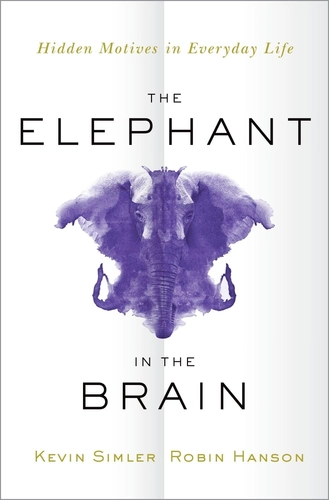
Here is something uncomfortable: many of our decisions are not driven by the reasons we give. We donate to charity to look good. We work hard to signal status. We choose partners for bragging rights.
Simler and Hanson call this “the elephant in the brain”—the hidden motives we do not admit to ourselves. Self‑deception is a social tool that helps us present a better version of ourselves to others.
“Humans are masters of self‑deception because we are masters of deceiving others. We lie to ourselves so we can lie to them.”
The book is not cynical. It is honest. It shows you how to spot your hidden motives—and make better decisions once you do.
For anyone who has ever wondered why they do things they cannot fully explain.
If you want to catch your own blind spots, read Pierce. If you want to understand the psychology of self‑justification, read Tavris and Aronson. If you want to see the hidden motives behind your choices, read Simler and Hanson.