You have read What Every BODY Is Saying by Joe Navarro. You know how to read posture, gestures, and facial expressions. You can spot a pacifying behavior from across the room. You understand the basics of nonverbal communication.
But body language is only one layer.
Navarro’s book teaches you what people reveal through their physical movements. That knowledge is powerful, but it leaves a question: what happens beneath those movements? Why do people behave the way they do? Why do some signals mislead you? What is the deeper psychology behind the behavior you observe?
The three books below take you past the surface. They do not repeat body language basics. They explain the underlying mechanics of human behavior, the signals people reveal without realizing it, and why reading people is more complicated than it seems.
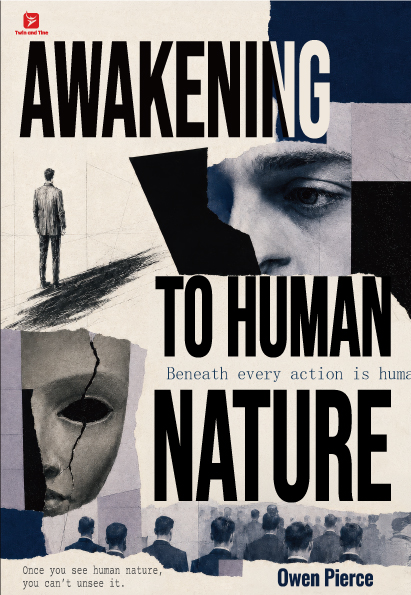
Awakening to Human Nature by Owen Pierce
Understand why people behave the way they do
Body language shows you what someone is doing in a given moment. But it does not always tell you why they are doing it.
Pierce’s book goes deeper. He writes about the hidden forces that drive human behavior beneath awareness: self-protection, emotional reflexes, the desire to maintain a positive self-image, and the avoidance of discomfort.
A person who crosses their arms might be defensive. Or they might be cold. Or it might be a habit. A person who avoids eye contact might be hiding something. Or they might be shy. Or they might be processing information internally.
The difference is context. And context is not visible in a single gesture. It comes from understanding the person’s patterns, their history, and the deeper motivations behind their actions.
This book gives you that framework. It helps you stop interpreting isolated signals and start seeing the bigger picture. Without it, even the best body language reading is just guesswork.
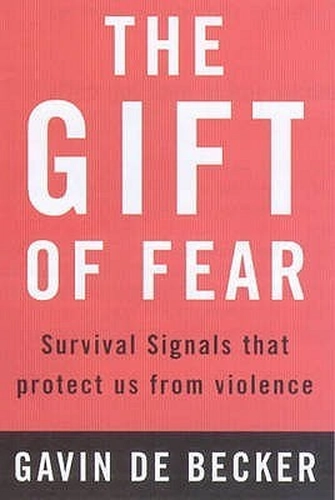
The Gift of Fear by Gavin de Becker
Learn to recognize the signals people reveal without words
Body language can tell you what someone is feeling. But some signals are more important than others. The ones that matter most are the ones that reveal danger, deception, or hidden intentions.
De Becker, a security expert, spent decades studying how people signal their true intentions through everyday behavior. His book is about learning to trust those signals. He explains why people often ignore their instincts, why they talk themselves out of recognizing warning signs, and why the most dangerous people are often the most charming.
If What Every BODY Is Saying teaches you to read gestures, The Gift of Fear teaches you to read the moments that actually matter. It is not about being suspicious of everyone. It is about recognizing when something feels wrong and trusting that feeling.
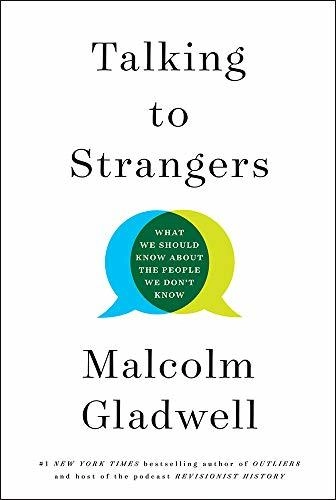
Talking to Strangers by Malcolm Gladwell
Understand why reading people is harder than it seems
You have learned to read body language. You have learned to recognize warning signs. But there is still a problem: people are not always easy to read.
Gladwell explores the challenges of understanding strangers. He examines cases where people misread others completely, often with serious consequences. Why do we assume people are telling the truth when they are not? Why do we miss obvious signals? Why do we trust our first impressions even when they are wrong?
His book is not about becoming a better reader of people. It is about understanding why reading people is so difficult in the first place. He shows that people are complex, that context matters, and that even experts get it wrong.
This book is a valuable counterweight to overconfidence. It reminds you that while you can learn to read signals, you can never read people perfectly.
What these three books teach you together
Body language is a starting point. It tells you what someone is doing in the moment. But understanding the person behind the behavior requires more.
The first book helps you understand why people behave the way they do. You learn the hidden forces that drive behavior.
The second book helps you recognize the signals that matter most. You learn to trust your instincts and notice what others miss.
The third book helps you understand the limits of your own perception. You learn why reading people is harder than it seems, even when you know what to look for.
Together, they take you beyond body language and into the deeper psychology of human behavior.
FAQ
Is body language alone enough to understand someone?
No. Body language is one layer, but it must be interpreted in context. A single gesture does not mean much. Patterns of behavior, combined with an understanding of human nature, are far more reliable.
What is the most common mistake people make when reading body language?
Reading a single gesture as definitive. Crossed arms can mean defensiveness, but they can also mean comfort, cold, or habit. The key is looking at clusters of behaviors and patterns over time.
Is reading people a skill you can improve?
Yes. It requires practice, observation, and a willingness to question your assumptions. Books like the ones above help you build the foundation.
What if I am completely wrong about someone?
That happens. Nobody reads people perfectly. The goal is not to be right every time. The goal is to get better over time and to recognize when you are projecting your own assumptions onto others.