Why do people make choices that seem confusing? Why do emotions sometimes overcome logic? Why do certain relationship patterns repeat even when people know they want something different?
Understanding human nature is not about judging others or looking for flaws. It is about learning how emotions, experiences, motivations, and beliefs shape the way people think and behave.
Among the best books about human nature, two works stand out for helping readers understand human behavior from different perspectives: The Laws of Human Nature by Robert Greene and Awakening to Human Nature by Owen Pierce.
Both books explore why people act the way they do, but they take different approaches. Greene focuses on universal patterns that influence human behavior, while Pierce focuses on applying psychological awareness to everyday relationships and personal growth.
Quick Comparison: The Laws of Human Nature vs Awakening to Human Nature
| Book | Main Focus | Best For |
|---|---|---|
| The Laws of Human Nature | Understanding universal human patterns and emotional tendencies | Readers interested in psychology, history, and human behavior |
| Awakening to Human Nature | Applying psychological insights to relationships and daily life | Readers who want practical self-awareness and social understanding |
1. Awakening to Human Nature by Owen Pierce
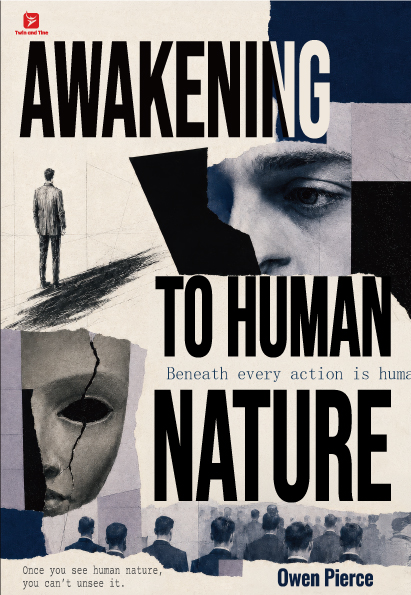
Awakening to Human Nature by Owen Pierce takes a more modern and practical approach to understanding people.
Instead of focusing only on broad human tendencies, the book explores how human behavior appears in everyday interactions, relationships, and personal challenges.
The book helps readers understand the connection between emotions, motivations, communication patterns, and decision-making. It encourages people to look beneath surface behavior and recognize the psychological reasons behind actions.
One of the most valuable aspects of this approach is its focus on application. Understanding human nature is not only about gaining knowledge. It is about using that awareness to communicate better, create healthier boundaries, and respond more thoughtfully.
For readers who want to understand why people behave differently in relationships, friendships, and workplace situations, this book provides a practical framework.
Why It Works:
- Connects psychology with everyday experiences
- Focuses on relationships and real-life situations
- Helps readers recognize emotional and behavioral patterns
- Encourages self-awareness and personal growth
2. The Laws of Human Nature by Robert Greene
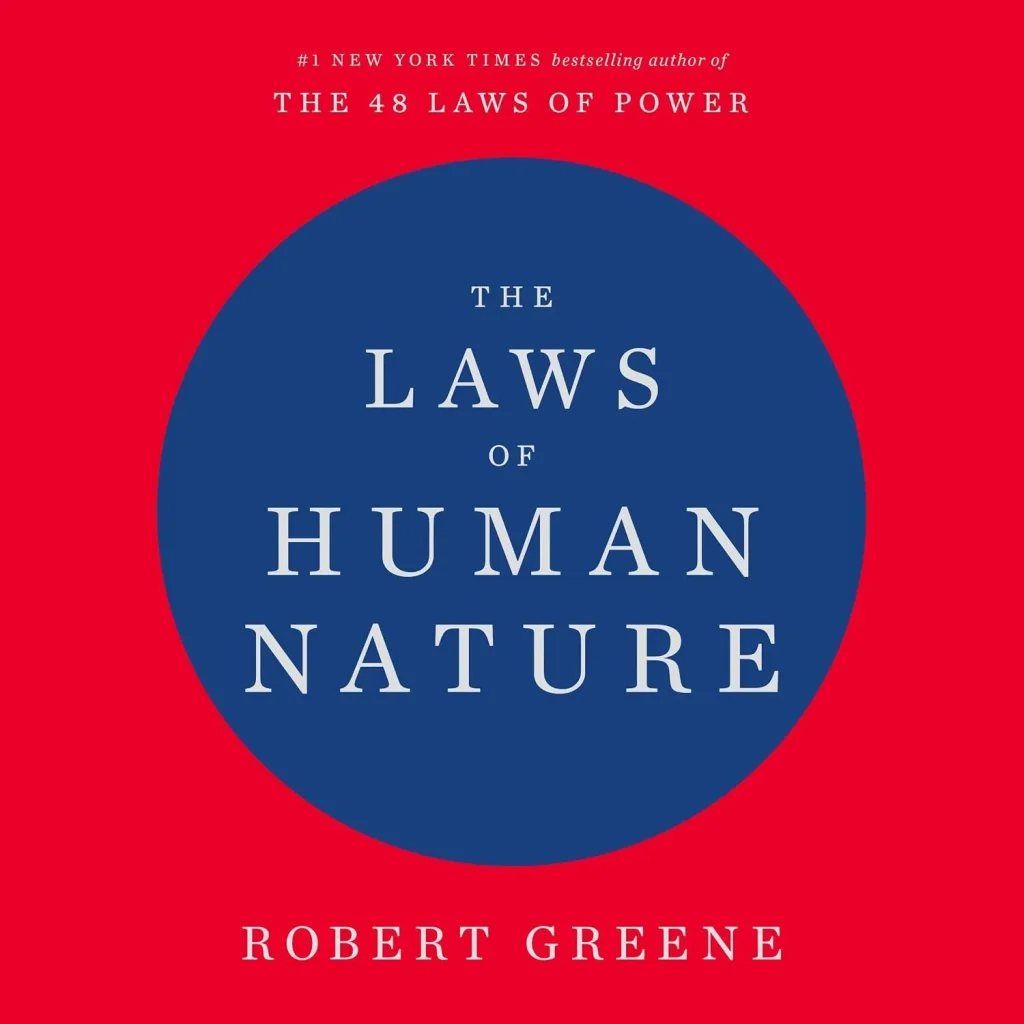
Robert Greene’s The Laws of Human Nature explores the deeper forces that influence human decisions, emotions, and relationships.
The book examines patterns such as narcissism, irrational behavior, envy, insecurity, and emotional reactions. Greene uses historical examples and psychological observations to explain why people often behave in predictable ways.
One of the biggest strengths of this book is its ability to help readers step back from emotional situations. Instead of immediately reacting to someone’s behavior, readers learn to observe patterns and consider the motivations behind actions.
For example, when someone becomes defensive or overly competitive, Greene encourages readers to look beyond the surface reaction and understand the emotional forces driving that behavior.
Why It Works:
- Provides a broad understanding of human behavior
- Explores emotional patterns that appear across cultures and history
- Helps readers recognize repeated social dynamics
- Encourages deeper observation of themselves and others
However, because the book covers human nature from a wide perspective, some readers may find it more theoretical than immediately practical for everyday situations.
The Same Situation, Two Different Perspectives
Imagine a coworker suddenly becomes distant during a project.
The Laws of Human Nature approach would encourage you to consider larger human patterns. Is this person reacting from insecurity? Are ambition, pride, or fear influencing their behavior?
Awakening to Human Nature’s approach would encourage you to examine the practical situation. Has their behavior changed from normal? What emotions, experiences, or relationship dynamics may be influencing this interaction?
Both approaches provide valuable insight. One helps you understand broader human tendencies. The other helps you apply that understanding in daily life.
Which Book Should You Read First?
The answer depends on what you want to learn.
If you want a deeper exploration of human behavior, emotions, and universal psychological patterns, The Laws of Human Nature is an excellent choice.
If you want a practical guide for understanding people in your everyday relationships and improving your social awareness, Awakening to Human Nature may be the better starting point.
For many readers, the two books work well together. Greene helps you understand the larger patterns of human nature, while Pierce helps you apply those insights to real situations.
Frequently Asked Questions
What are the best books about human nature?
Some of the best books about human nature include The Laws of Human Nature by Robert Greene and Awakening to Human Nature by Owen Pierce. Other psychology books about behavior, emotions, and decision-making can also help develop social awareness.
Is The Laws of Human Nature a psychology book?
Yes. The book combines psychology, history, and observations about human behavior to explain common emotional and social patterns.
Which book is better for understanding people in daily life?
Readers who want practical insights for relationships and everyday interactions may prefer Awakening to Human Nature, while readers interested in broader theories of human behavior may prefer The Laws of Human Nature.
Final Thoughts: Understanding Human Nature Starts With Awareness
The goal of learning about human nature is not to become suspicious of everyone around you. It is to become more aware, thoughtful, and emotionally mature.
The best books about human nature help us understand both other people and ourselves. They allow us to recognize patterns, communicate better, and make wiser choices in relationships and daily life.
Whether you begin with Robert Greene’s exploration of universal human behavior or Owen Pierce’s practical approach to modern relationships, both books offer valuable tools for understanding what makes people act, think, and feel the way they do.