I remember sitting at my desk one afternoon, staring at my screen, completely wiped out. I had not done anything physically demanding. I had not even had a hard day. But my body felt like I had run a marathon. My chest was tight, my shoulders ached, and I could barely keep my eyes open. That was the first time I really asked myself, is anxiety making me tired?
The answer, it turns out, is yes. And once I understood why, I stopped blaming myself for being lazy.
Quick Answer: Why does anxiety make me so tired?
Anxiety keeps your body in a constant state of alert. That burns energy all day long, even when you are sitting still. It also messes with your sleep, which makes the fatigue worse.
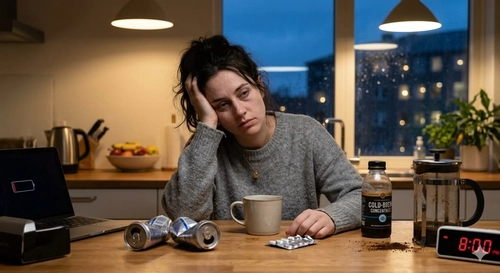
What Anxiety Actually Does to Your Body
Anxiety is not just a feeling. It is a full body response.
When your brain senses a threat, real or imagined, it releases a flood of hormones. Your heart races. Your breathing gets fast and shallow. Your muscles tense up. Your mouth goes dry. You might feel dizzy or sick to your stomach.
That response is designed to help you fight or run. It is useful if you are actually in danger. But when it fires all day long, for no clear reason, it wears you down. Your body is running a race you never signed up for.
A colleague once told me she felt exhausted every day by 3pm, no matter how much sleep she got. She thought something was wrong with her. It turned out she had been living in a low-grade state of anxiety for years. Her body was never getting a break.
The Sleep Problem
Anxiety and sleep have a messy relationship. Anxiety makes it hard to fall asleep. It wakes you up in the middle of the night. It makes your sleep shallow and restless.
Then the lack of sleep makes you more anxious the next day. It is a loop.
Research backs this up. One study found that people with insomnia were almost ten times more likely to have anxiety than people without it. Another found that women with generalized anxiety disorder often feel more tired, and it is strongly linked to repetitive negative thinking. That constant mental churn is exhausting.
So if you are lying awake at 2am running through the same worries over and over, you are not just losing sleep. You are feeding the anxiety that will make tomorrow harder.
Why the Tiredness Lingers
Most of the time, a good night of sleep fixes tiredness. But anxiety fatigue does not always work that way.
When your body has been in a stressed state for weeks or months, the tiredness sticks around. Even when you rest, you do not feel restored. Researchers have found that long-term stress and anxiety can affect your memory, your judgment, your immune system, and even your heart.
There is also a condition called chronic fatigue syndrome that is linked to long-term anxiety. People with it feel tired no matter how much they rest. That is how deep this can go.
What Actually Helps When Anxiety Drains You
Here is what has helped me and what I have seen help others.
Fix your sleep first. A cool, dark room. A regular bedtime. No screens an hour before bed. Cut back on caffeine after noon. These sound basic, but they matter more than anything else on this list.
Move your body. A walk. A stretch. A short workout. Exercise lowers anxiety sensitivity and helps you sleep better. You do not need to train for a marathon. Just move.
Try meditation or breathing. Slow breathing, especially with long exhales, calms your nervous system. Five minutes is enough to make a difference. Do it when you feel the tension building, not just when you are already overwhelmed.
Watch what you eat. Sugary and high-fat foods can spike your anxiety. Whole foods like lean protein, vegetables, nuts, and complex carbs give you steady energy instead of a crash.
Talk to someone. A therapist can help you spot your anxiety triggers and build coping skills. Sometimes you need a guide, not just a book.
Consider medication. If your symptoms are serious, talk to a doctor. There is no shame in it. Some people need more support than lifestyle changes alone.
What I Learned After Years of This
The biggest shift for me was understanding that the tiredness was not a character flaw. It was a symptom. My body was not lazy. It was exhausted from a fight that never ended.
Once I stopped judging myself for being tired, I could actually start addressing it. I sleep better now. I move more. I still have anxious days, but I know what to do with them.
FAQ
Can anxiety really make you that tired?
Yes. Anxiety keeps your body in a constant state of alert, which burns energy even when you are resting. It also disrupts sleep, which makes the fatigue worse.
Why am I tired even after a full night of sleep?
Anxiety can make your sleep shallow and restless, so you do not get the deep rest you need. Long-term anxiety can also cause fatigue that lingers even with rest.
Is there a link between anxiety and chronic fatigue syndrome?
Yes. Research shows that long-term anxiety and stress are associated with chronic fatigue syndrome, a condition where you feel tired no matter how much you rest.
What is the fastest way to feel less tired?
Fix your sleep first. A cool room, a regular bedtime, less caffeine, and no screens before bed. Then add movement and breathing exercises.
Should I see a doctor?
If the fatigue is affecting your daily life, yes. A doctor or therapist can help you figure out what is going on and what will actually help.
One Last Thing
If you are reading this and you feel exhausted for no reason you can name, you are not lazy. You are not broken. Your body has been carrying something heavy for a long time.
Rest is not the enemy. But the real fix is learning how to put some of that weight down. Start small. One breath. One walk. One hour of real sleep. That is how it starts.